Blog


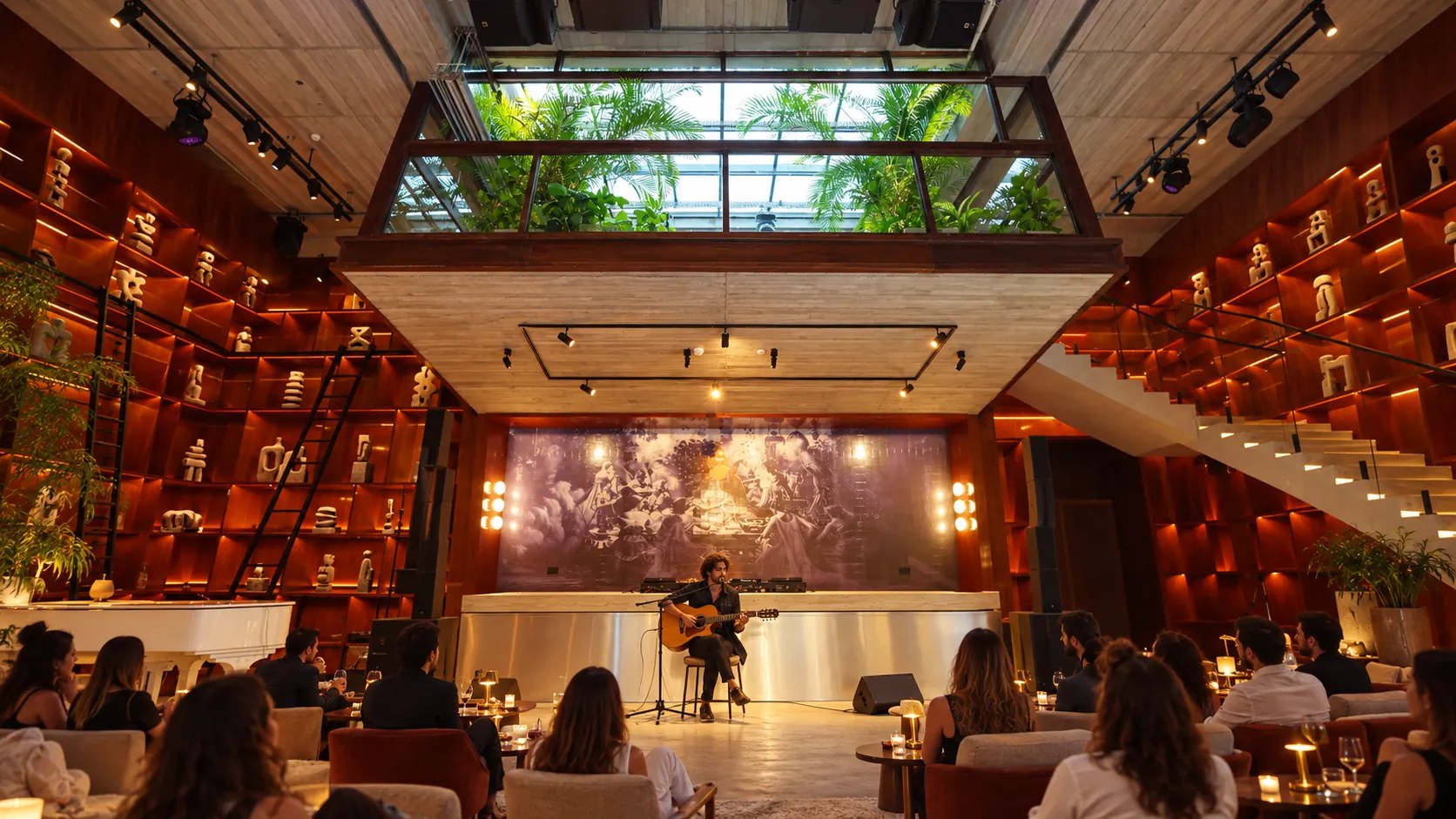
Plan an acoustic concert at a private live music venue in Dubai. Discuss the artist’s sound check and guest arrangements with Someone’s House in Al Quoz.
Guests at an acoustic concert listen for small changes in a voice or a guitar, so hosts need to protect the softer passages when planning the evening. For hosts researching a private live music venue in Dubai, the useful questions concern the proposed performance and how the audience will hear it. Someone’s House accommodates private performance requests in Al Quoz. Begin the booking discussion with the artist’s actual setup and the kind of evening you want to host.
Singers who perform with an acoustic guitar may need a microphone and a sound engineer to make their music audible throughout the proposed audience area. Ask the artist which parts require reinforcement and how they prefer to hear their own performance. Discuss their preferences with the venue alongside the proposed guest count. Keep the concert’s technical plan specific to the musicians who will perform.
The artist needs to know whether guests are arriving for a seated recital or a reception containing a scheduled concert, since the two formats demand different preparation. For a recital, the audience’s attention stays on the performance. Reception guests can settle into their seats ahead of a separately scheduled listening period. Send the artist a description of the audience and explain any relationship between the host and the music.
If the program features original songs, discuss how much conversation the artist wants between pieces and which stories they are comfortable sharing with guests. Spoken introductions take time within the set. Leave space in the running order for instrument changes, particularly when the performer uses an alternate guitar tuning. The artist’s proposed duration needs to include those transitions as well as the music.
Duos require a technical plan for both performers even when the concert remains small, particularly if a percussion instrument needs a separate microphone or monitoring arrangement. Confirm the complete lineup ahead of the technical discussion. Guest appearances deserve the same preparation as the main act: the engineer needs the visiting performer’s requirements. Reserve spontaneous participation for arrangements the artist and production team have already approved.
For a useful technical brief, ask the musicians to describe their equipment and identify the connections they expect the venue team to provide. The engineer needs to distinguish a guitar’s pickup output from a request to place a microphone near its soundboard. Include the artist’s preferred monitoring arrangement in a separate note. Equipment provision and operator responsibilities should be included in the written agreement for the event.
Someone’s House’s private-concert information describes technical coordination with visiting artists, which makes an advance conversation more useful than assumptions based on a venue photograph. Send the current artist requirements to the House team for review. Confirm the available setup for the selected date and the equipment the artist will supply. Installed-model details belong to the House’s current technical inventory and the event’s confirmed equipment plan.
When the artist changes instruments during a set, the engineer needs to know which connection becomes active and when the change occurs. Label the relevant inputs in the technical plan using the performers’ own descriptions. Instrument changes deserve a rehearsal with the person operating the sound. Any requested recording feed requires a separate discussion concerning its destination and the person responsible for it.
The sound check requires a real performance passage with the singer at the intended microphone position, so the engineer can hear the song’s loudest phrase at its performance volume. Ask for a passage from the actual program and listen from the proposed audience seats. Once the vocal level is agreed, add the guitar and check the musical balance. The performer needs to approve what they hear at their own position as part of the same session.
Shure’s guitar microphone guidance explains how the distance from a guitar’s sound hole changes the recorded or reinforced tone, with closer placement increasing bass response. Its suggested neck-and-body position provides an initial option for testing. Let the engineer and guitarist judge the result against the actual instrument. Position the microphone so the player’s hands can move normally throughout the song.
Feedback requires a different correction from a guitar sounding too bass-heavy, so the engineer needs time to identify what the system is doing during rehearsal. Shure’s feedback guidance describes the loop created when a loudspeaker’s output reenters an open microphone. Microphone position and speaker placement affect the risk. Keep the agreed-upon performer position consistent throughout the set, and let the technician assess any requested movement of the microphone.
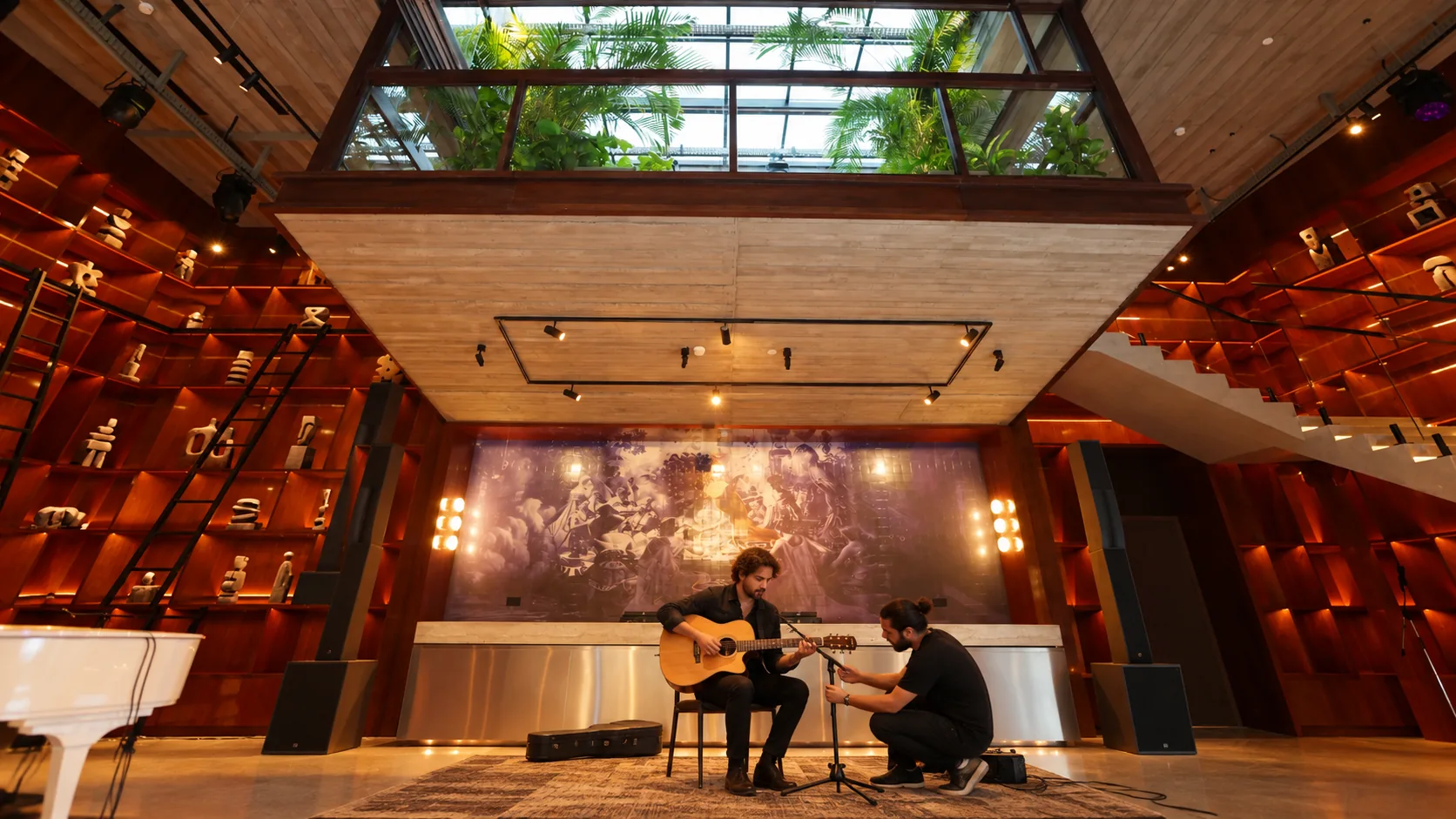
Sightlines deserve a seated inspection after the proposed furniture is in place, particularly when the artist performs at floor level in a house-inspired interior. Walk the guest layout with the House team and identify seats where another guest would obstruct the performer. Adjust the arrangement within the venue’s approved circulation plan. Confirm accessible seating needs directly with the relevant guests and the venue team during preparation.
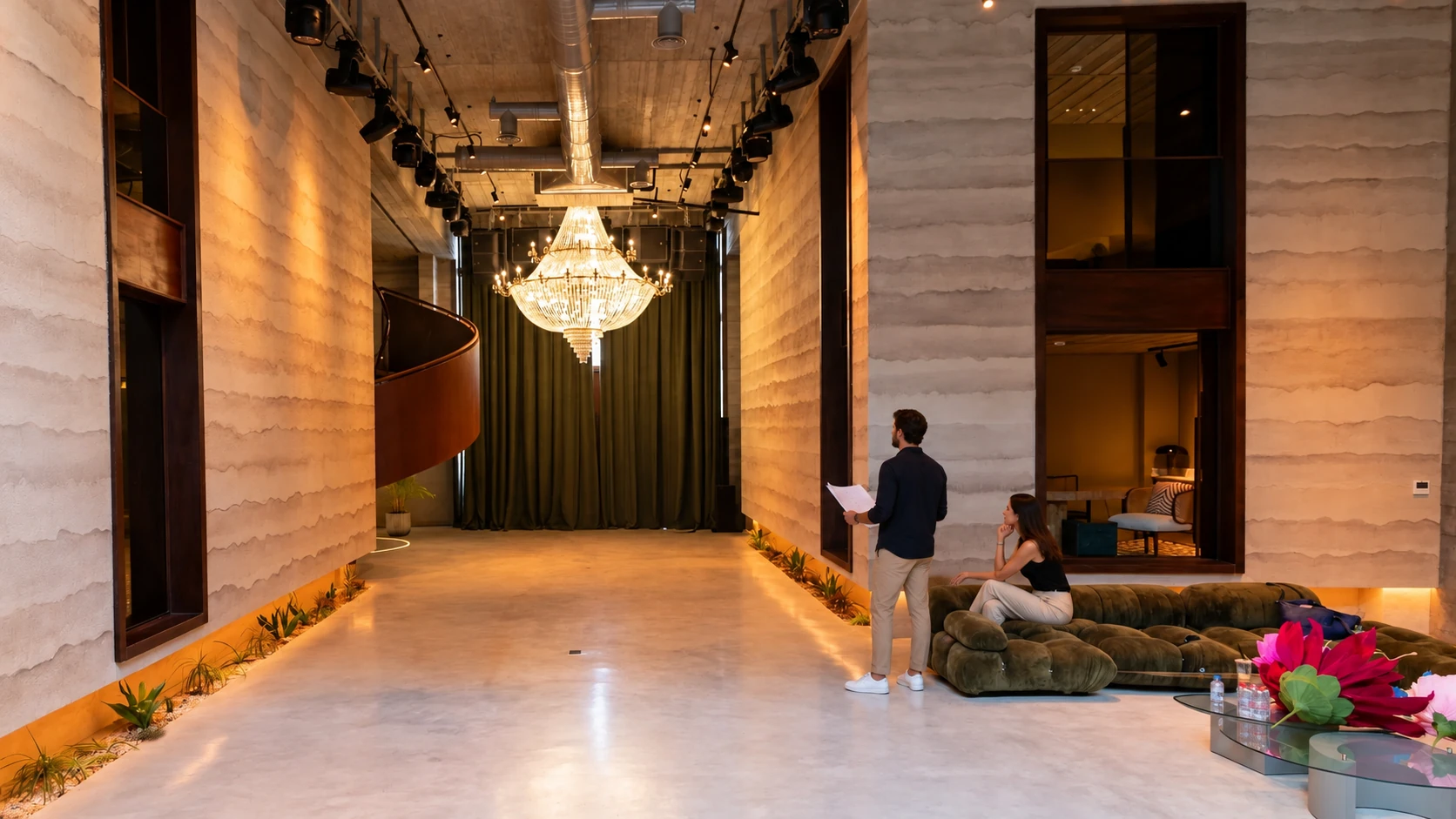
The House’s private-event concept places the host’s plan within an interior with a domestic character, so a concert layout needs to work with the existing furniture and fixed architecture. Discuss the performer’s location during a site visit. Venue photographs offer a useful starting reference; the event team still needs to assess the instrument’s working space in person. The final guest count follows the approved concert configuration.
Guests arriving during a soft passage need a clear place to wait until an agreed pause, especially when the entrance route passes near the performance area. Brief the arrival host on the artist’s preferred admission moments. Share the concert start time in the invitation separately from the reception time. Late-arrival arrangements should be decided during planning, when the team can assess the actual route through the venue.
Food service needs its own timing within the evening, since the sound from clearing glassware is particularly noticeable during a soft vocal passage. Discuss the concert’s start and finish with the hospitality lead. Complete the planned table collections before the set, then schedule the next service period after the artist’s agreed-upon pause. For a dinner format, ask the musician to review where the performance belongs between courses.
Musicians need an agreed arrival time early enough for equipment preparation and a complete sound check within the venue reservation. Work backward from the guest arrival time using the engineer’s estimate for setup. Include a break between the technical session and the performance. Confirm where instrument cases will remain during the event, with the venue team approving their location away from guest circulation.
If the host wants a welcome or a short artist introduction, prepare its wording with the performer and rehearse the microphone handover with the engineer. Names and pronunciation deserve confirmation from the artist. Keep the introduction relevant to the music guests will hear. The sound operator needs an explicit cue for the first song after the host finishes speaking.
Dubai’s Department of Economy and Tourism lists entertainment events as activities requiring an event permit, with applications submitted via its e-Permit portal. Separately, DET’s private-activity guidance describes notifications for private events generating zero financial gain for organizers. Ask the responsible organizer to confirm the applicable route for the proposed concert. Describe its live performance and commercial purpose during the review and explain any ticketing proposal.
Hosts preparing an invitation-only concert need to confirm its approval classification with the responsible organizer using the proposed live performance details. Record who will handle the relevant applications in the event agreement. Confirm the permitted operating conditions with the venue ahead of issuing final invitations. Treat any change to the performance format as a reason to revisit the approved plan with the responsible team.
Artists may welcome photographs while reserving particular songs for a later release, so recording permissions need a conversation concerning the actual program and intended use. Confirm which material the host is authorized to record. Publication requires its own agreement with the artist and the relevant rights holders. Explain the agreed audience recording conditions in the invitation and the host’s introduction.
For a planned concert film, review camera positions against the audience layout and the performer’s movement during the technical rehearsal. The engineer needs the recording team’s audio requirements in advance. Test a complete passage and listen to the resulting file on the intended playback device. Name the person who will approve the finished recording, and agree on how it will be supplied for review.
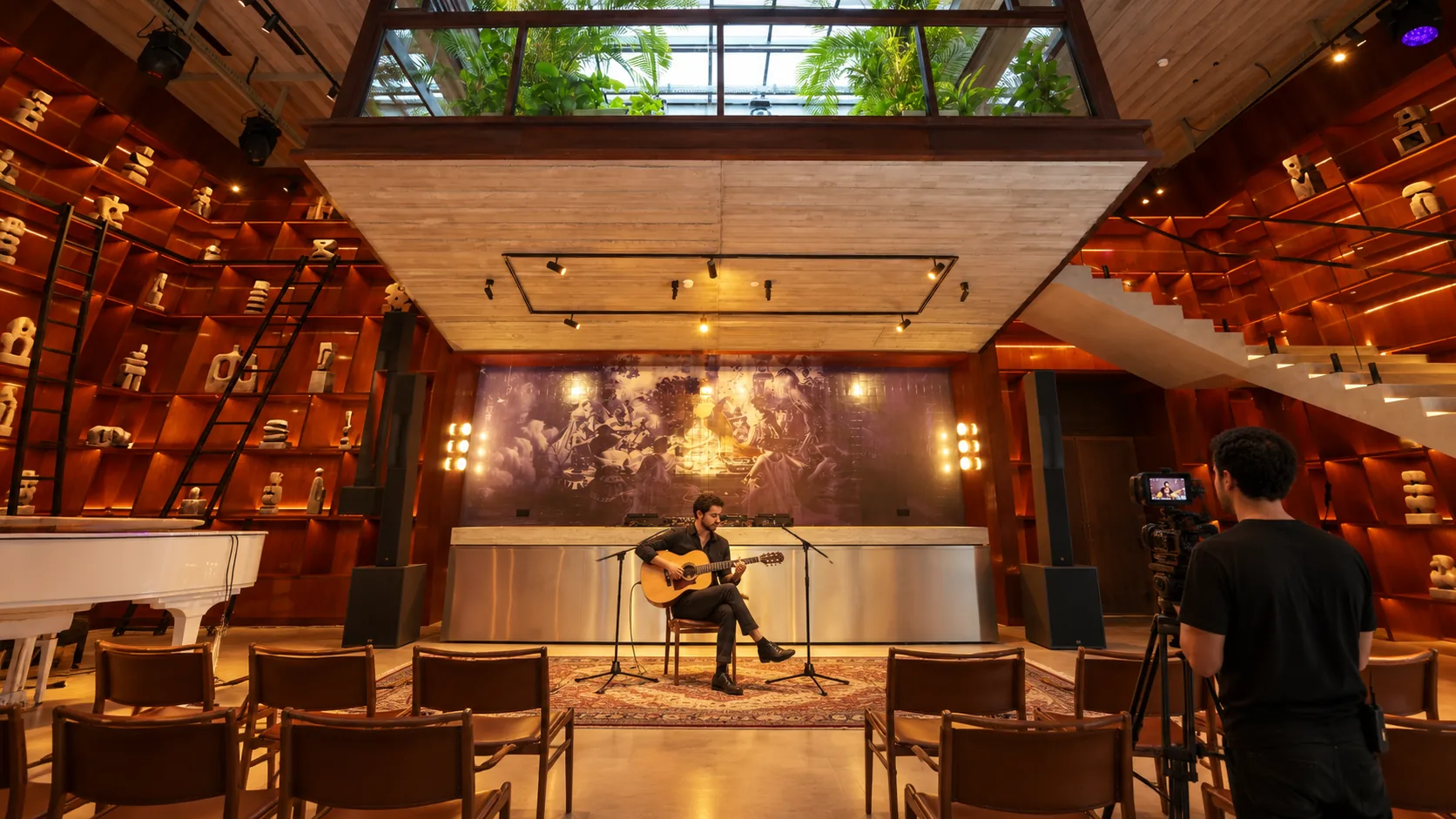
Someone’s House reviews private performance requests through its booking conversation, where the host and venue team can assess the artist’s plan for the selected date. Send the proposed attendance and a description of the musical format through the House booking page. Attach the artist’s technical requirements for the team to review. Ask for written confirmation of the setup period and the agreed performance finish within the reservation.
The final concert brief needs to preserve the artist's decisions, especially the set’s duration and the sound-check arrangements. Keep the latest version available to the venue’s event contact and the artist’s event contact. Once the performance ends, allow the musicians the agreed time to pack their instruments into cases. Guest departure and equipment collection then follow the access arrangements confirmed for the booking.