Blog


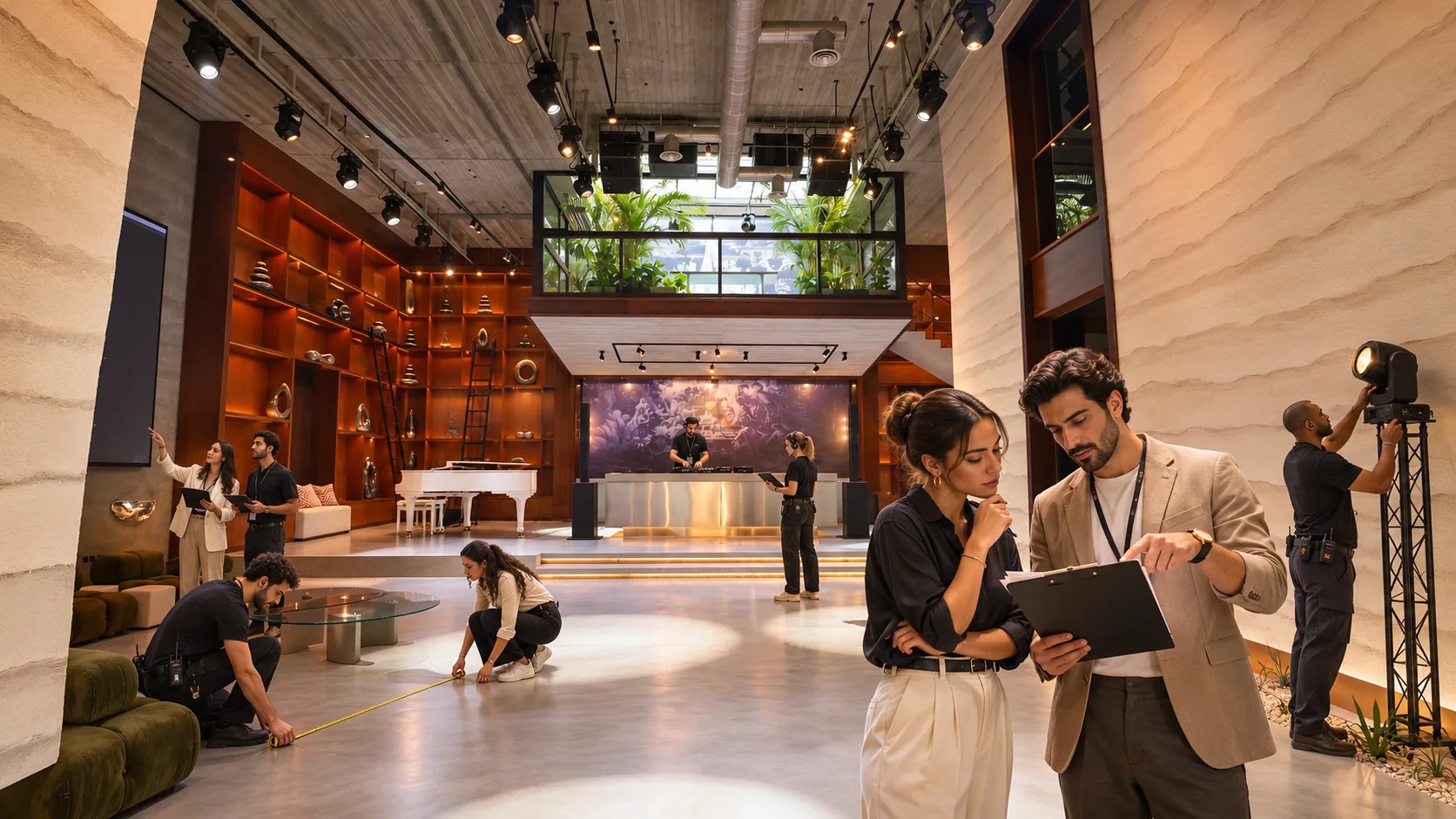
Prepare your private event venue brief in Dubai with useful guest details and budget decisions. Plan your brand event with Someone’s House in Al Quoz.
Your designer may have approved a beautiful dinner layout while the client is still expecting a product demonstration with guests gathered around a display. Both plans sound plausible until someone has to price the furniture or allocate the floor space. Resolve those differences in the written brief while the project still fits on a page.
For a brand or agency preparing an event venue brief in Dubai, the most useful starting point is the decision guests are expected to make. Buyers attending a product launch need time to handle the product; a founder hosting existing clients may want an evening built around conversation. Describe the encounter in plain language, then explain what the venue team needs to provide. Someone’s House, a private event venue in Al Quoz, invites hosts to develop their plans around a house-inspired setting. Your brief helps the team assess the proposed event against the actual space.
The event label leaves a surprising amount open to interpretation, especially when an agency and its client have spent weeks discussing a concept together. “Private brand launch” says little concerning the presentation itself. Write whether guests will examine products at tables or watch a host demonstrate them to a seated audience. Include the expected conversation after the presentation if relationship-building is central to the invitation.
The useful detail is the activity that requires space or staff, such as a product trial that requires individual appointments during an otherwise social evening. Someone has to manage the queue, and the trial needs an agreed position in the layout. Explain how guests participate and how long the activity occupies its allocated area. Your venue contact then has something concrete to assess when proposing a plan.
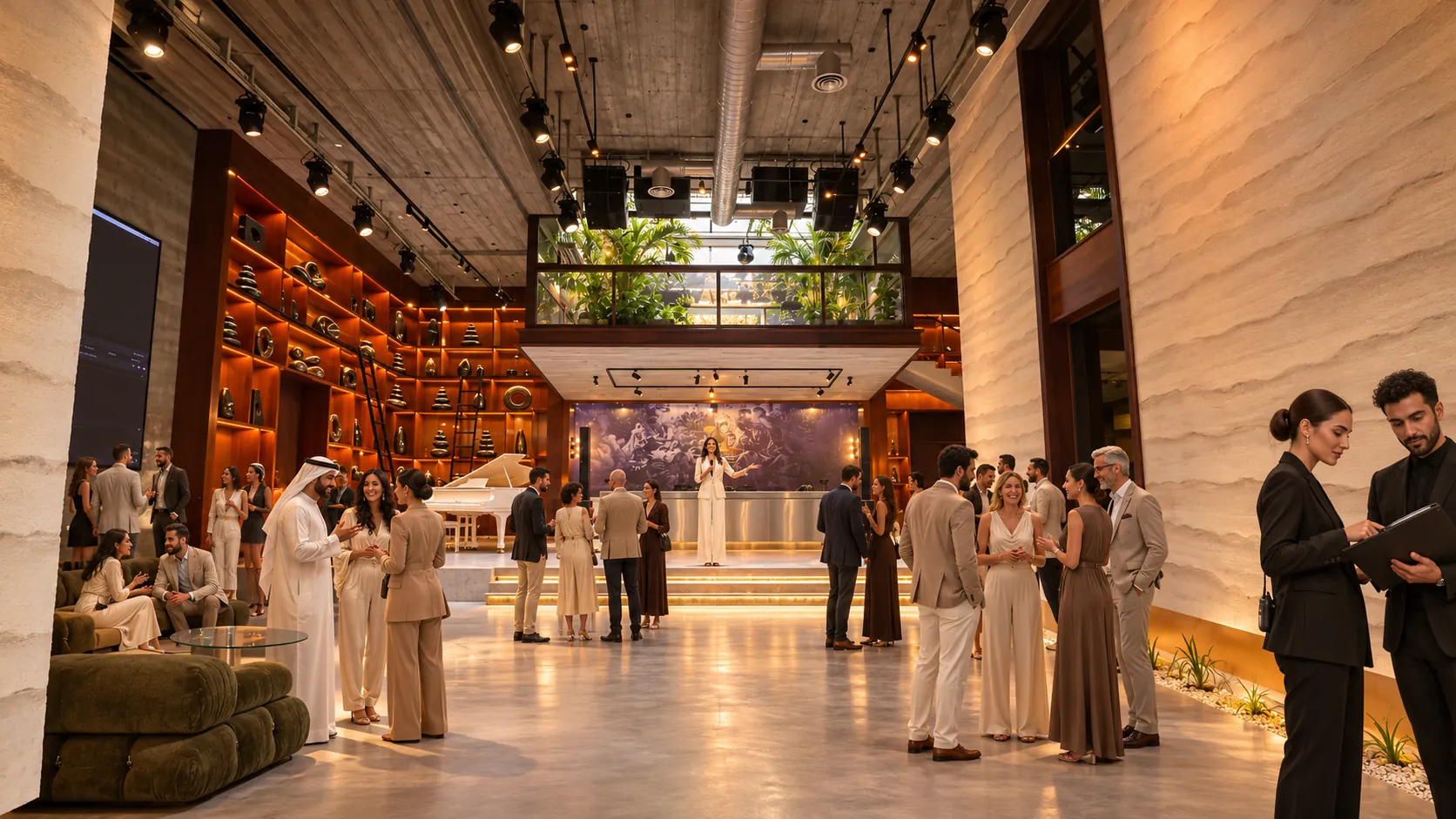
Projects often reach the venue inquiry stage while a client is still approving the creative concept, so the brief needs to indicate where a firm decision has been made. Label the preferred date as requested until the venue confirms it. Place an alternative date beside it if the client has approved flexibility. For guest numbers, distinguish the invitation target from the attendance estimate used for the quotation.
Record an unresolved decision beside the person responsible for answering it and the date their answer is needed, especially when the answer changes a supplier’s work. Changes to the dinner format affect furniture and food costs; a pending logo revision usually has a different consequence. Discuss the dinner decision first if the supplier needs an answer to price the proposal. Ask the venue which outstanding decisions affect its proposal, then arrange the client review around those dependencies.
Your agency producer may manage venue correspondence while the brand’s budget holder approves expenditure, and both responsibilities should have a named contact in the brief. State who receives the proposal and who authorizes additions after acceptance. For extra furniture requested during planning, attach the price approval to the request. Keep the creative contact available for appearance decisions while the budget holder handles the financial answer.
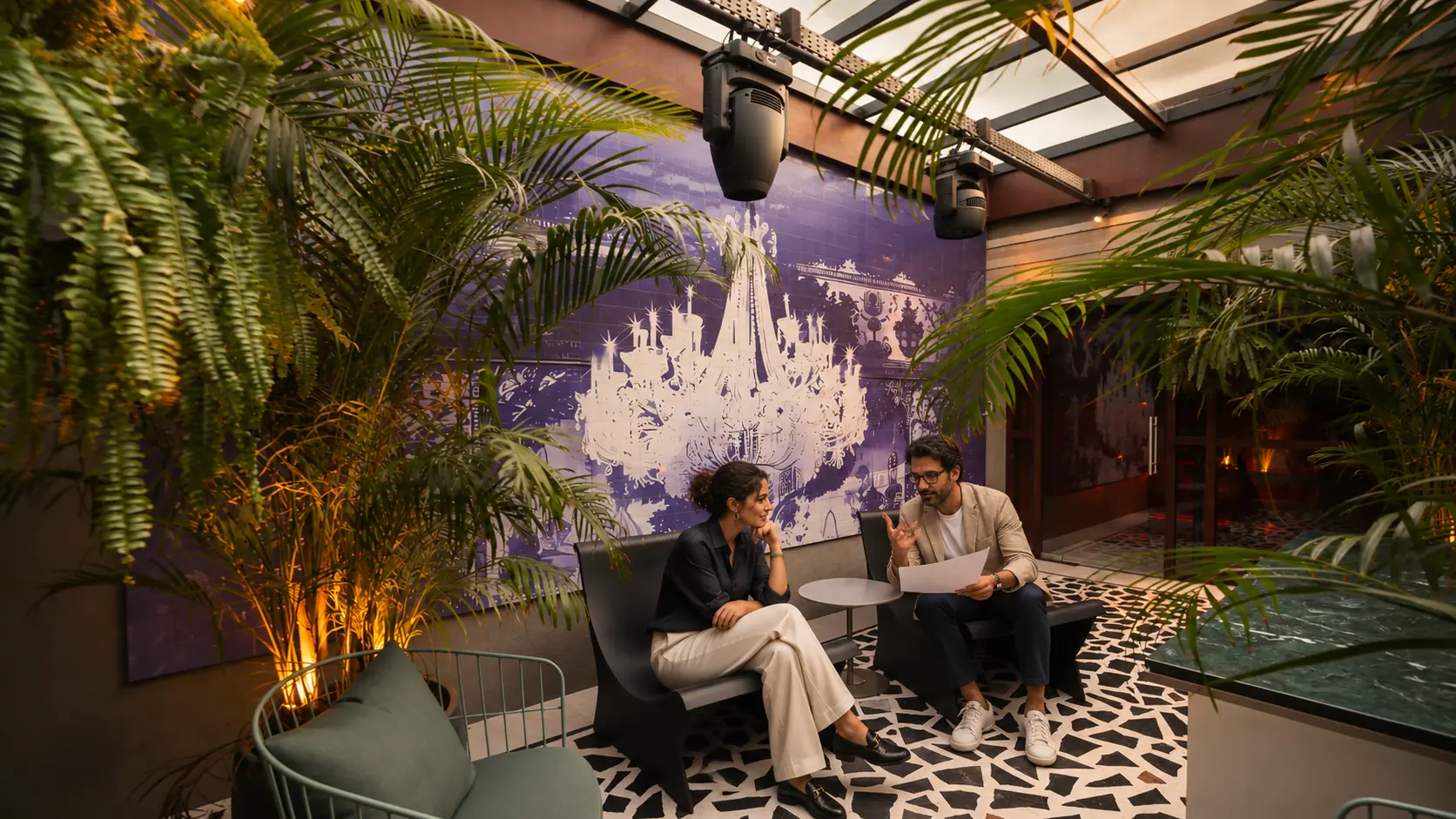
Your estimated attendance is useful to a venue when it includes how guests arrive and how they participate in the program. List the expected audience total apart from the working crew. For a seated presentation, request a layout calculation which includes the production position and guest routes. Ask the venue to assess the proposed configuration against the current event plan.
For guests who need accessibility support, include the requested accommodation while protecting personal information in the wider supplier brief. W3C’s accessible-event guidance recommends asking participants about their access requirements and planning appropriate support. Your presentation may call for captions or an interpreter with suitable sightlines. Confirm the arrangements with the venue and the relevant provider, then share the agreed arrival instructions with the guest.
The venue team needs to know which costs fall within your stated allowance, especially when an agency commissions services through several suppliers. Specify the budget scope next to the AED figure so the client’s total event allowance remains distinct from the venue hire request. Name the scope covered by the allowance and ask for tax treatment to appear in the quotation. Identify externally commissioned work so the venue can price its own responsibilities.
If the client has approved a spending ceiling, distinguish it from the amount allocated to the proposed venue scope. Keep a separate allowance for approved changes. The budget holder needs to know whether an addition uses the allowance or increases the agreed total. For an optional design feature, request a separate price with the associated installation labor included.
Request a quotation naming the guest estimate and the layout on which the price was calculated, so the venue’s assumptions remain visible during the client review. Alongside the included services, ask the venue to list separately priced additions. For an external supplier’s contribution, record which company contracts the work and who coordinates the supplier’s access. Compare proposals against matching assumptions, then discuss any difference which changes the event you intend to host.
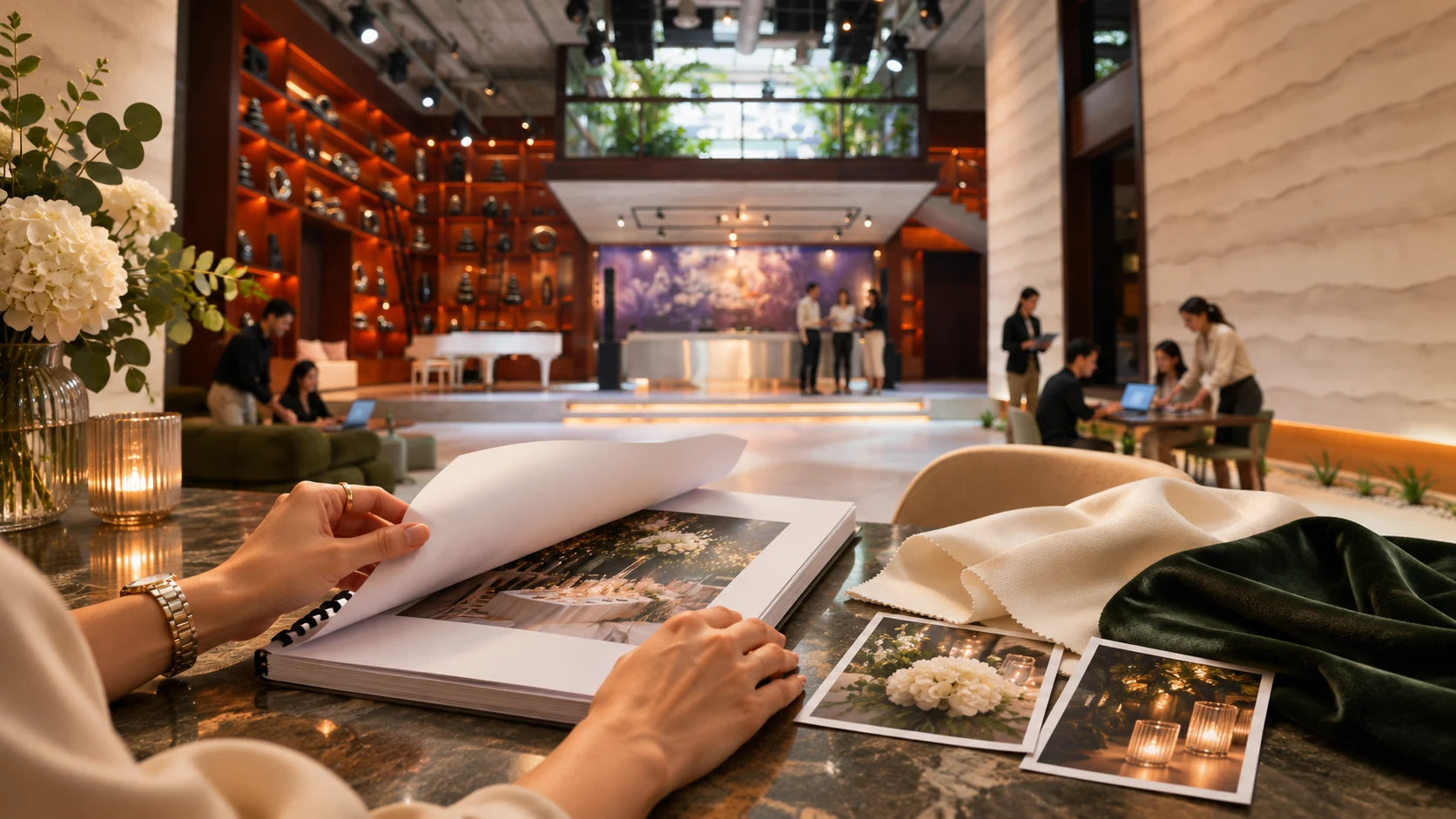
The most useful reference image comes with a short explanation that names the feature your client actually wants, since a photograph contains many incidental choices. Your dinner reference may communicate the distance between tables or the height at which flowers enter a guest’s view. Say which detail prompted the selection. Include the dimensions and weight of any proposed product display that requires placement approval.
Separate approved artwork from inspiration material so a supplier can identify the file intended for production. Your brief can link to the current artwork folder with a named approval contact. If a large object appears in the design, explain how it reaches its intended position and who will install it. Someone’s House requires prior approval for outside equipment in its published terms; discuss proposed additions with the venue team during planning.
Food plans need a brief operational description; state the proposed dining format and the party responsible for the supply. Share dietary requirements as quantities with the food provider after the host confirms the guest information. If the client appoints an external chef, ask the venue to approve the proposed arrangement and confirm the required workspace. Someone’s House publishes an approval requirement for externally arranged food services in its terms.
The venue needs a complete schedule, including the guest arrival time, particularly when suppliers have installation work, and the host needs a rehearsal. Write the requested access time alongside the program timing. Include the post-event collection arrangements, then ask the venue to confirm the full booking period. Someone’s House states in its terms how setup and removal sit within the booked period.
Provide the event sequence in sufficient detail to explain changes in the space, such as a presentation followed by dinner, both on the same floor area. Ask who handles the furniture change and where guests spend the interval. Resolve the reset with the venue while the guest program awaits client approval. Keep the full production schedule linked as a separate document once the operational timing has been agreed.
The organizer needs a named person to confirm the applicable event permissions with the venue and the relevant authority during planning. Dubai DET publishes an event-permit route covering business events alongside entertainment categories. Include the proposed program and the admission arrangement in the brief so the responsible party can assess the application requirements. Confirm who handles the application and which supporting information the client must supply.
If the event includes photography, specify the intended use for the resulting images and how guests will receive the relevant information. For a private client dinner with selective photography, write instructions the photographer can follow at the event. Ask the host to approve the photography plan, then confirm how the event team will handle a guest’s preference. Keep personal guest details within the agreed access arrangements.
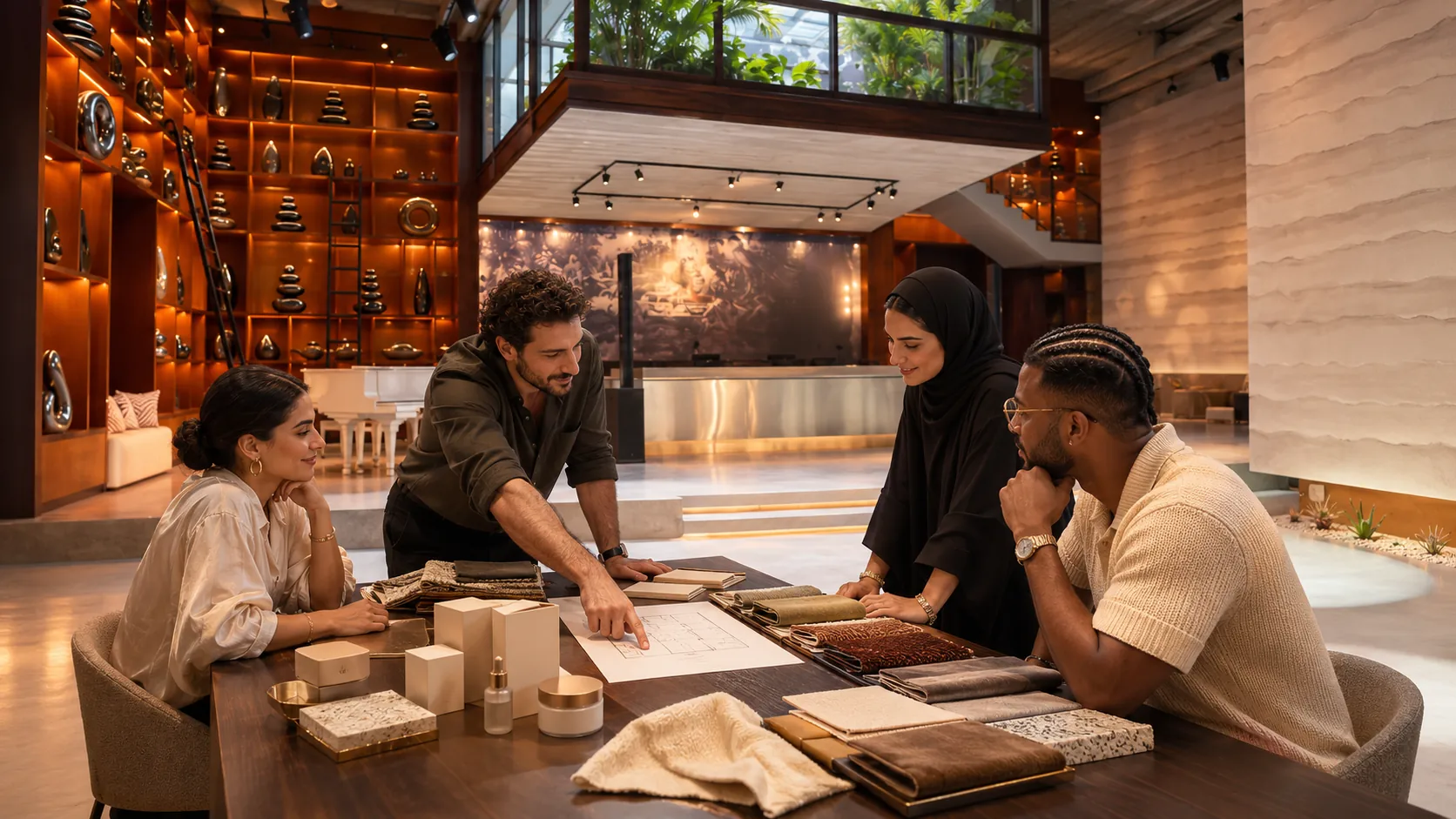
Your first message can contain a concise event summary with a link to the working brief, provided the recipient can open the supporting files. Put the requested date beside the guest estimate. Explain the proposed activity and the scope you want quoted, then name the person responsible for client approval. The supporting document can contain layout references and open decisions requiring a venue response.
After the proposal arrives, record the accepted scope in the same working document and retain a dated copy for the client’s approval. Revise the guest estimate when attendance changes, then ask whether the revision affects the agreed layout or price. Share the updated version with the venue contact who is coordinating the booking. If a client requests a change through another agency colleague, route the proposed revision through the same approval contact. The venue needs the accepted instruction and any revised price approval together.
For a private brand event at Someone’s House, use the booking request to introduce your proposed event and request a discussion with the venue team. Include enough detail for the team to assess the intended use in Al Quoz. Your next conversation can then address the actual proposal and the decisions your client is ready to approve.