Blog


Plan a private birthday dinner in Dubai with seats guests can enjoy and toasts they can hear. See how the table layout and dinner service fit your plans.
Someone at the far end of a long dinner table can miss most of a toast if the speaker faces only the birthday guest. Chairs face the table, and the speaker may turn toward one person for the whole story. When you plan a private birthday dinner in Dubai, put the speaker’s place on the same drawing as the guests’ seats. Guests across the table need a voice they can hear and a moment when the plates have stopped moving.
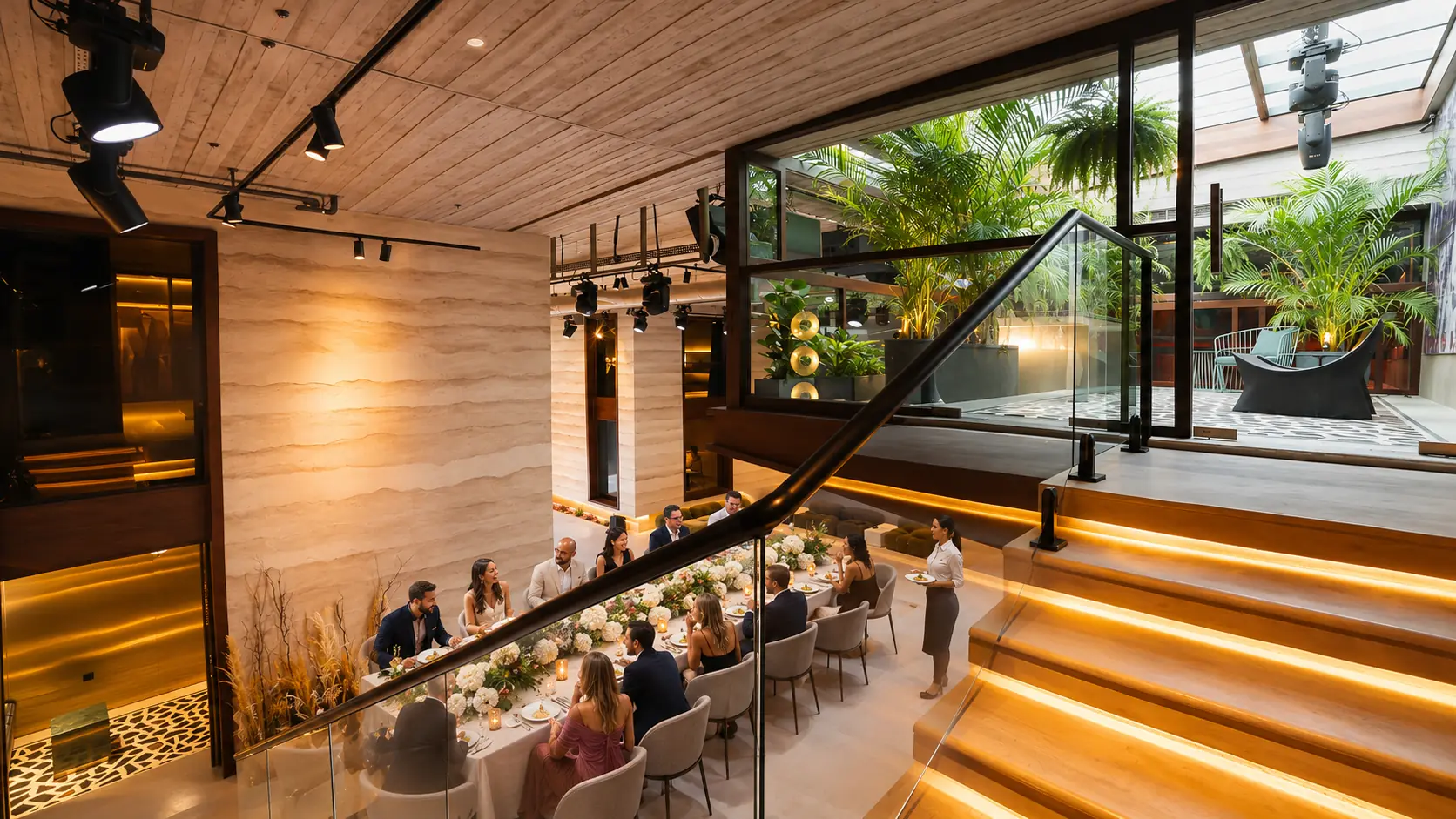
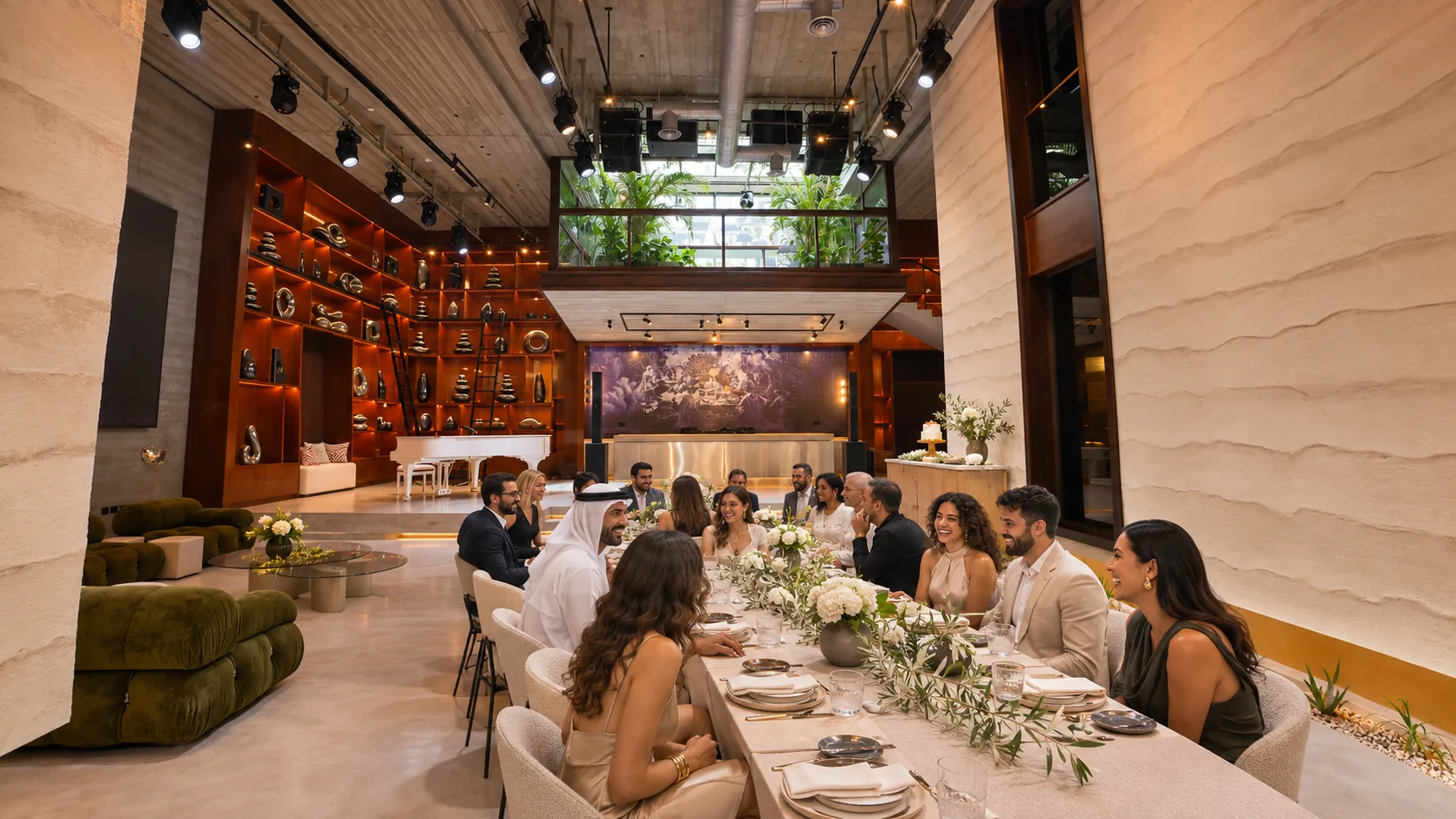
Someone’s House hosts invitation-only birthdays on Al Khayat Avenue in Al Quoz, where the layout can be tailored to the celebration's plans. For a seated meal with several generations at the table, the best place for the honoree may be in the middle. Think of the friends who came especially to see them and the relatives who would enjoy talking to those friends. The seats you choose will shape their first exchange.
Put the birthday guest on your first seating draft, then draw a line to two people they would particularly like to spend time with during dinner. Seats on either side of the honoree at a long table keep familiar voices close enough for conversation. The chair opposite works for a guest they tend to look toward while talking. Use the head seat if the birthday guest enjoys facing the whole party and the nearest chairs suit the people they came to see.
Most seating decisions become easier when you work on neighboring chairs instead of dividing everyone into social groups. Seat a familiar person beside a guest arriving alone, then place the other person in the opposite chair who is likely to share a subject with them. If a gap opens after an RSVP changes, move a pair together where possible. The guest who requested a seat beside their partner still has someone they know when the host is occupied elsewhere.
One relative may need a particular chair for access and still want the same place in the conversation as everyone else. Choose their seat with them or someone who knows what works for them. Walk their route from the entrance during the visit and check how the chair can be approached when neighboring seats are occupied. Share the same route on paper with the photographer if the family wants a toast photograph; the easy camera position may turn out to be the route a guest needs.
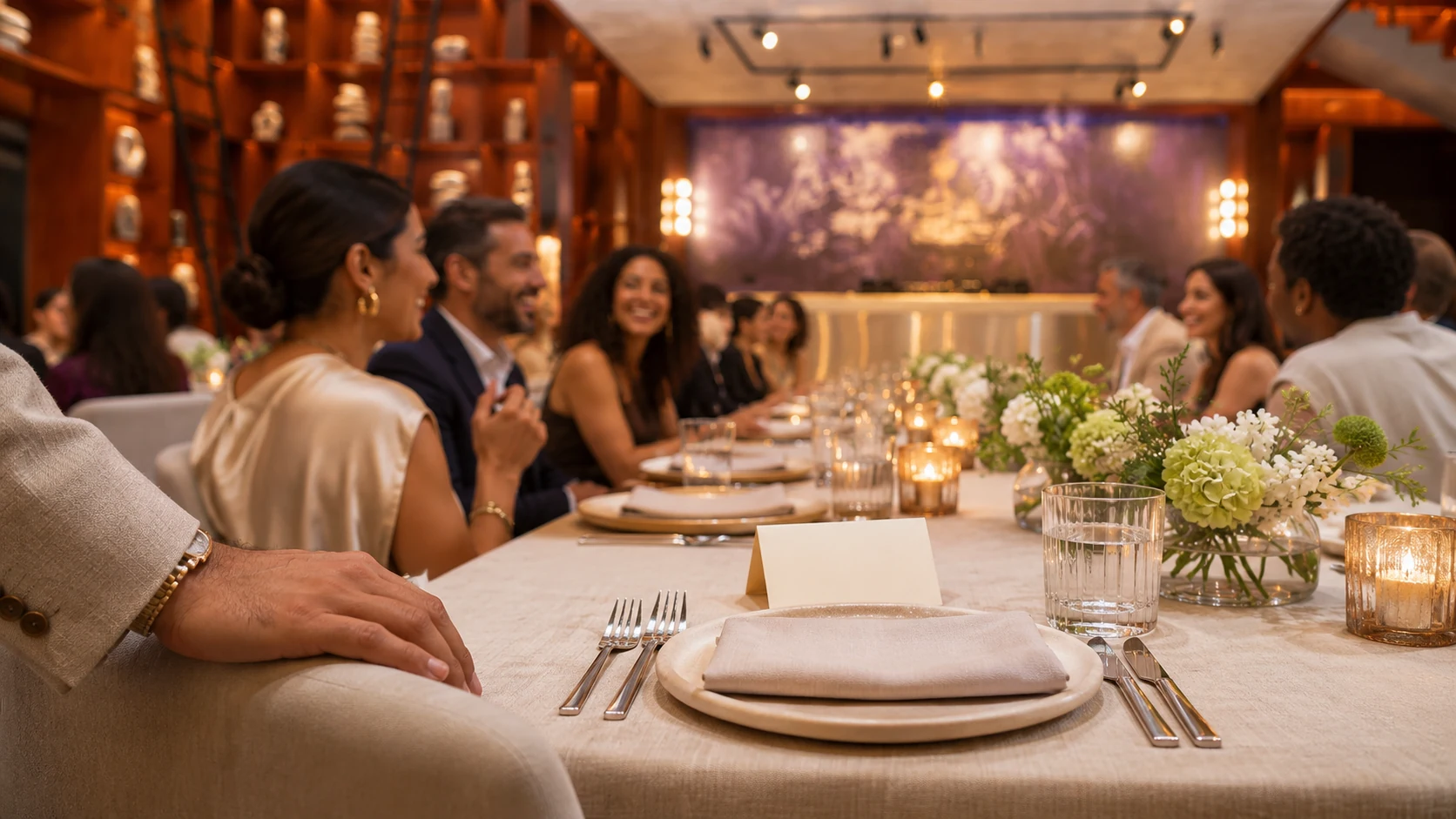
Ask to see the proposed layout during a visit, with chairs pulled back far enough for people to get up and someone seated where the passage is tightest. Put a sample centerpiece and two place settings on the table. Glassware and a shared dish can take up the spare space where two settings meet. If relatives need to watch a speaker across the table, check the sightline with the tallest piece of decor in its planned position.
For two tables, reserve one clear place for a speaker where guests at both tables can turn toward the voice and see the birthday guest’s face. Try the arrangement with chairs pointed as they will be during dinner. If half the party would have to turn all the way around, shift the speaking point to the open end between the tables and repeat the sightline test. Ask the venue team to review the passage around the speaking point with the chair plan in view.
The House lists a venue capacity in its venue questions and explains why certain layouts may require fewer guests than the venue limit. Send the drawing with the earliest credible guest count and identify which seats need to remain fixed. Guest numbers may change when relatives settle their travel plans. If the team has your fixed seats, it can revise the other chairs first.
For invitations still awaiting an answer, ask whoever handles RSVPs to keep the numbered seating plan up to date as replies arrive. Use those numbers when you discuss the layout with the venue and keep the guest cards separate. The kitchen lead can receive the separate seat note for a confirmed dietary request, so the card facing the table carries only the guest’s name. If a chair moves on the day, the dinner lead updates the seat note and lets the food team know as soon as the change is agreed.
Reserve a few flexible seats for guests whose plans are still in flux, particularly if someone expects to arrive partway through the meal. The host can ask the lead to seat late guests between courses and wait if a speaker has already started. Agree where those guests should wait if they reach the entrance during the first speech. Put their proposed chairs near a clear route so their arrival leaves the birthday guest’s place undisturbed.
For most dinners, a toast between courses works only if the people handling the food have permission to wait until the toast ends. Agree on the point when everyone has their drink and staff have finished clearing the preceding course. Once the last plate has gone, the dinner lead can cue the host. Put the cue on the schedule instead of an exact minute tied to the first course's arrival.
When a hot dish has already left the kitchen, let it reach the table and wait for the movement to settle. If the first toast needs to happen earlier, use a brief welcome once people are seated and let longer family speeches wait until the cake. Agree on a fallback with the first speaker so they know what the host means when the host asks for a little extra time. For two speakers, have the first person introduce the other by name; the host can listen with everyone instead of managing the gap.
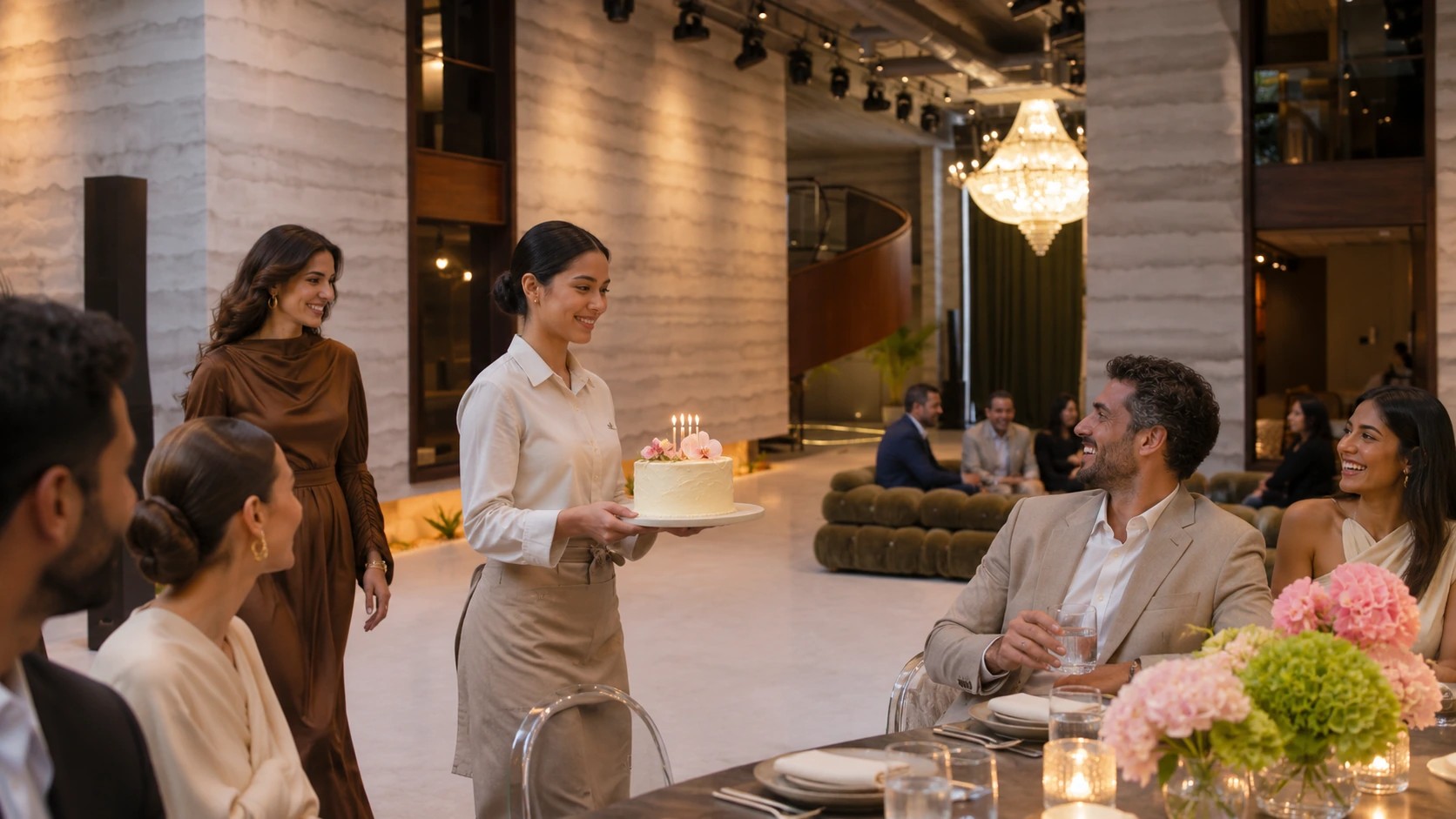
Treat the cake as a separate cue if someone needs a few minutes to finish final preparations away from the table. Ask the person carrying it to wait for the host’s signal, and place relatives who want a close view where they have a clear passage when chairs move. If everyone rises for a photograph after a hot course, you will spend part of the speaking window getting guests back to their chairs. Keep guests seated for the toast and arrange the picture for dessert if the honoree wants it.
Two friends who know the birthday guest from the same period may choose the same memory, especially when it is the story everyone requests at reunions. Tell the speakers who else will be speaking and ask for the opening line in advance. If the stories overlap, one speaker can keep the familiar memory and the other can describe something they admire in the person’s work or family life. Toastmasters International’s guidance for social speeches suggests short personal speeches suited to the audience. To estimate the pause, time the toast aloud at the speaker’s ordinary pace.
For a multilingual family, ask the birthday guest if they would like the speaker to use their own language, then follow up with a brief explanation. Share a translated sentence with the speaker in advance if they want somebody else to read it. When several guests need the translation, deliver it immediately after the account so they can join in the reaction. Share the speaker’s name and pronunciation with the person introducing them if the two have not yet met.
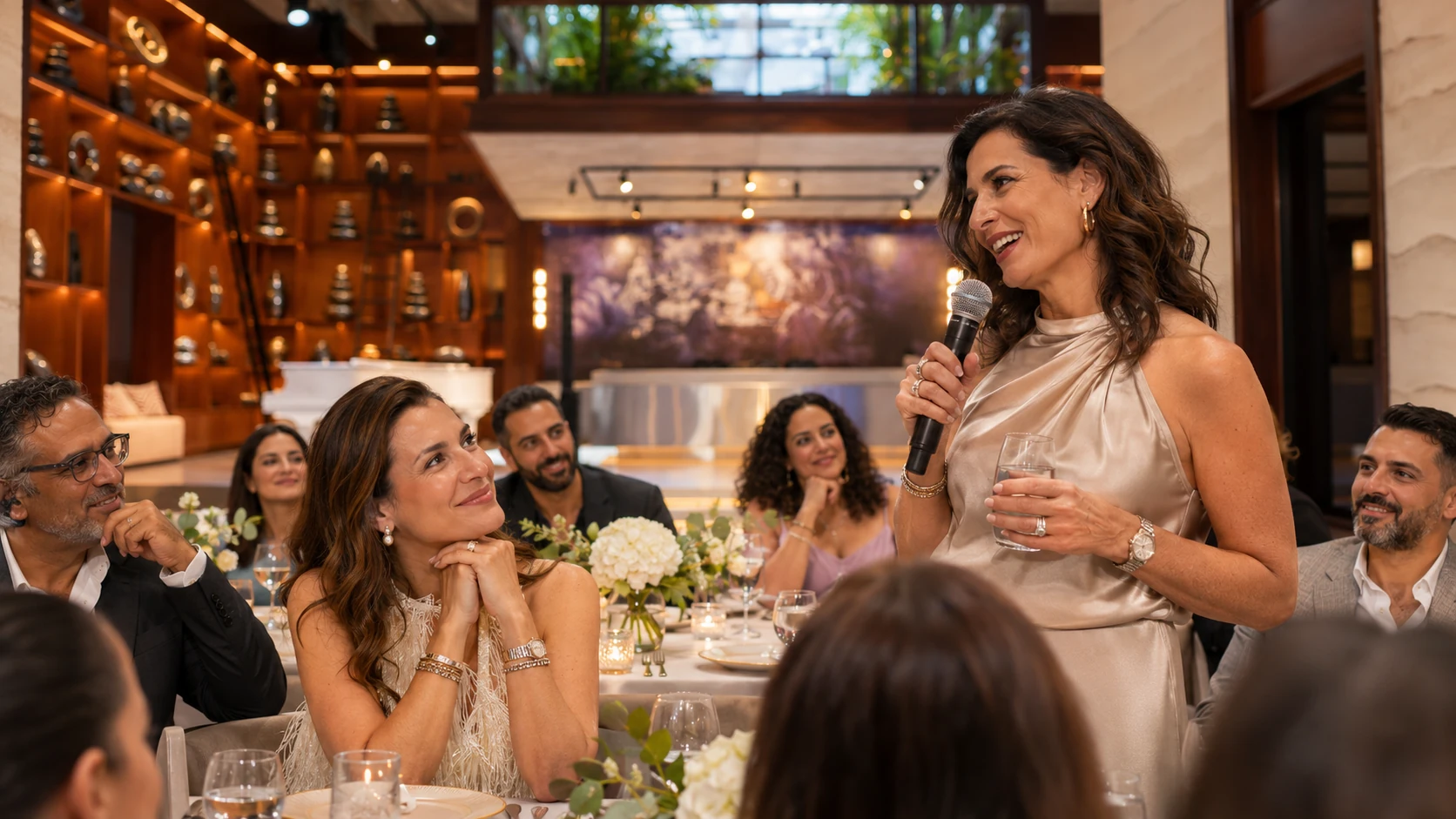
While you are at the venue, choose someone to speak from the proposed point at their normal volume, then listen from a place near the planned music position. Ask a second person to listen at the opposite end. If conversation carries from one table to the other, test again with the background playlist running at the intended dinner level. Have the person responsible for sound lower it for the toast and return it after the host’s signal. For a guest who needs a microphone, confirm the arrangements with the venue team for your date.
The first speaker may prefer to speak from their own chair, which is worth testing when a long table places their voice near half the guests. If their delivery gets lost at the other end, ask whether they would like a different place or sound support. Let them hear how the first line sounds from an occupied chair during the visit. The host can cue the toast once guests have settled into their chairs and the speaker has reached the agreed-upon spot.
For an exclusive full-day booking, send Someone’s House the proposed date and guest count through the House booking inquiry. Include a simple sketch showing the seats you want to hold and where the toast will take place. Ask which dinner layout the venue team recommends for your guest count. If you have a chef or another food provider in mind, identify them during the team's discussion of approval and access.
Someone’s House explains in its full-day booking guide how to include setup and removal in the booked schedule, so agree on a delivery time for the cake supplier when you discuss venue access. Ask the team to review the cake delivery and dining layout together if they need the same route. Once you have an approved plan, share one copy with the host and the dinner lead. The dinner lead can refer to the numbered chairs if a guest moves, then use the agreed cue to let the host know the table is ready.