Blog


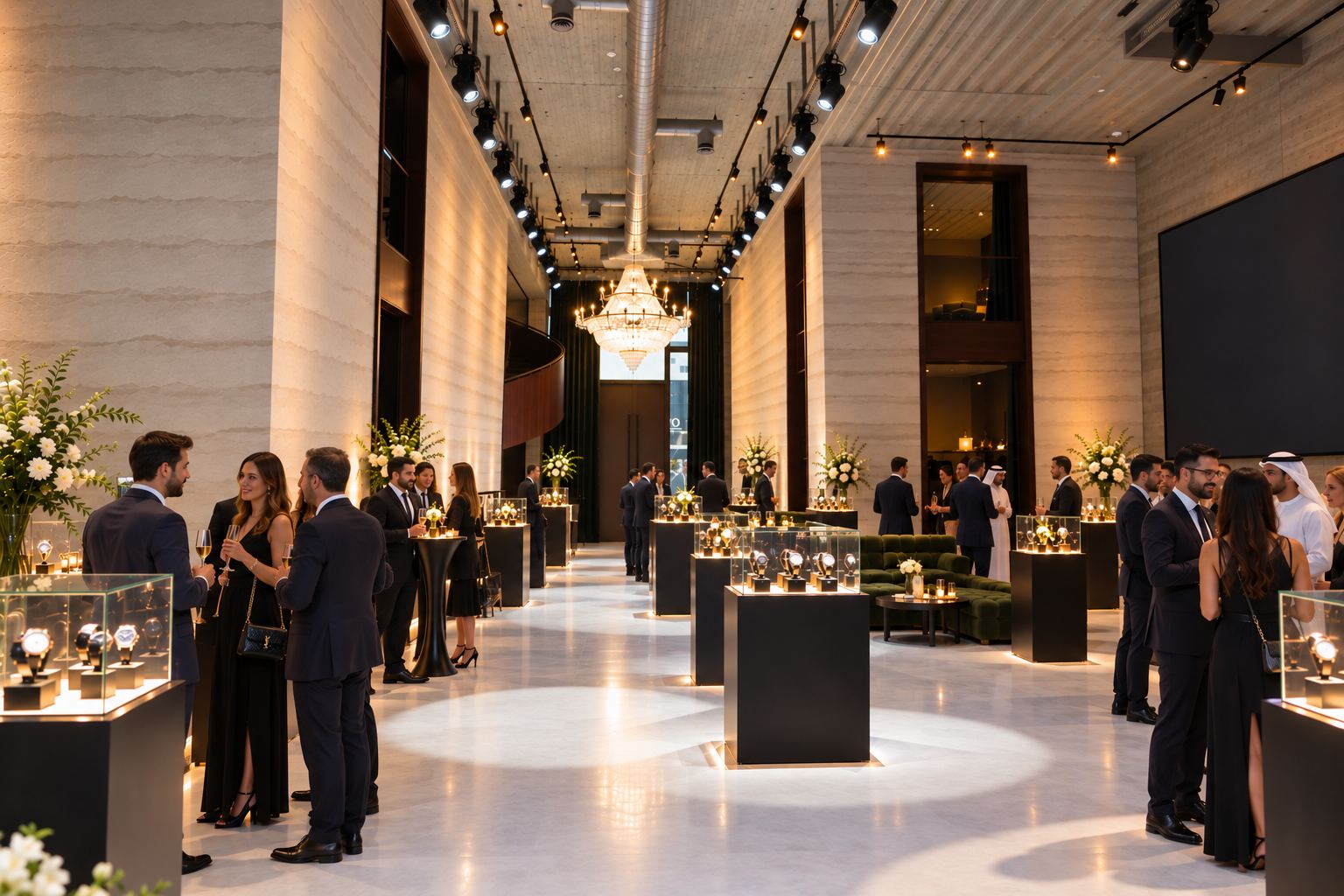
Plan a private watch launch event in Dubai around the collector’s visit, with advice on appointment timing and preparing your collection for invited guests.
Someone trying on a watch may want a few minutes to feel its weight and see how the case fits their wrist. Planning a watch launch event in Dubai starts with time for that small, personal decision. You might have a collector who already knows the reference, alongside a guest who wants to ask how the movement works. The evening needs enough time for both conversations.
Your guest list and collection will help you decide how to run the preview, especially when several people want to try the same piece. Seated appointments can suit those comparisons. There’s a place for an opening talk, too, provided guests still have time with the watches. Start with what you want them to do during their visit, then work backward to the schedule.
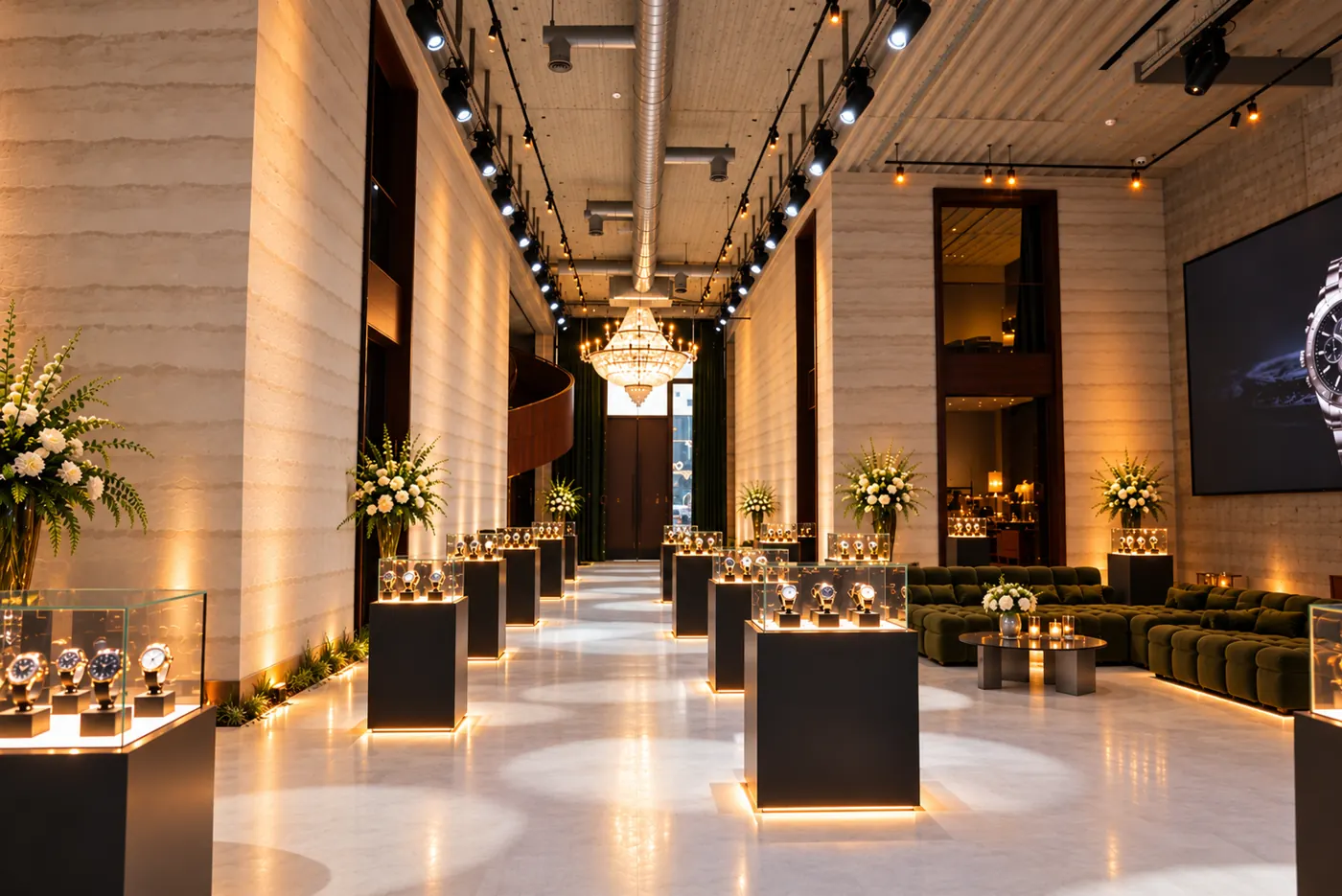
Collectors can arrive with very different expectations, so the invitation needs to explain what they can see and how the appointment works. Perhaps you’re introducing a new collection to existing clients. You might be inviting a smaller group to compare two case sizes. Either purpose helps you choose which watches to display and which specialist can discuss them with guests.
Someone who wants to buy a watch after trying it on deserves a direct explanation when that particular piece is a demonstration sample. Your team can explain which references are available for purchase and how further inquiries will be handled. If an answer needs the brand’s approval, a named contact and an expected reply date are useful. Guests can leave knowing who will continue the conversation.
The invitation can include everyday details that help a guest plan their visit, such as the arrival window and the venue address. Guests need to know whether the invitation includes a companion. Someone’s House uses a guest list for entry, so an agreed-upon way to pass late changes to the arrival team will help the host. You can settle that detail during the appointment plan discussion.
Fifteen minutes can look generous on a timetable until a guest wants to compare a second reference and ask a technical question. Use that interval as a starting estimate, then test it against the actual collection. If a specialist needs time to explain an unusual display, allow for that conversation. You’ll have a better idea of how many people to invite after that rehearsal.
For a simple planning example, two tables with ten fifteen-minute appointments each would need two hours and thirty minutes for the consultations. Arrival time and handovers need their own allowance. The calculation assumes both tables can work throughout that period. If they share a specialist or a popular reference, the timetable needs to account for the overlap.
When guests confirm their attendance, you can ask which reference interests them and plan appointments around the pieces they hope to see. Two collectors may want the same watch during neighboring slots. You can plan the transfer between tables and allow time for the handover. Keep a little spare appointment capacity for a discussion that runs longer than expected.
Someone’s House has a residential concept, a setting worth considering for a seated preview in Al Quoz. The next question is how your collection will work within that setting. You’ll want to discuss the proposed tables with the booking team and confirm the arrangement for your date. The consultation table needs enough space for the specialist to place a watch beside the guest.
During a site visit, try the seat your guest would use and check the view they’ll have when a watch is placed on the table. Can they read the dial from that position? The lighting test needs to answer that question with the actual display arrangement. Glare can make small text hard to read, so try the light in another position. Food and drinks belong on a separate surface.
If you’re planning photography, the camera’s view should be tested alongside the guest’s view during the same lighting check at the table. You may need to adjust the light so the dial is legible in photographs and easy for the guest to read. The photographer can try the proposed angles while the brand checks how the watch appears. Settle those choices during preparation so the collector’s appointment can focus on the watch itself.
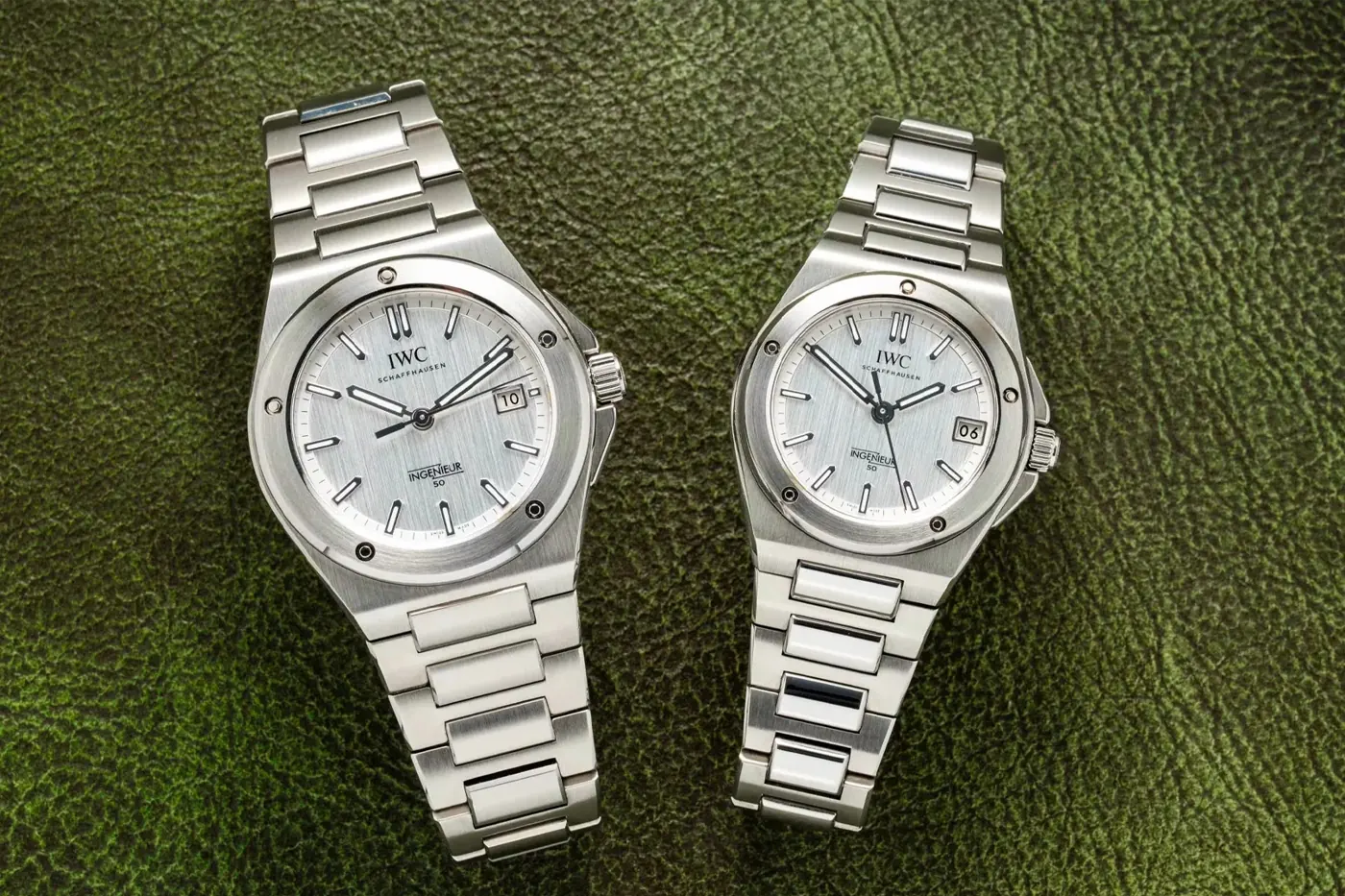
The team needs to know which watches are coming and who will look after them from delivery until their return to the brand. Match the reference numbers to photographs and condition descriptions in the collection register. Confidential identifiers belong in the team’s records. Labels that guests see can use the model name and the reference that the brand has approved for publication.
Handling instructions need to match the watches on the table, particularly when a guest asks to try a setting or adjustment during the appointment. For your preview, obtain the instructions for the references you plan to display. Let the brand’s authorized specialist handle adjustments and explain the process to the guest.
Your collection’s return deserves time in the booking plan, particularly when the final consultation runs close to the venue’s agreed access deadline. The custodian needs to check the pieces against the register and complete the condition check. Packing follows that work. Discuss transport and handling with the insurance professional responsible for the collection, so the written arrangements cover the activities you’ve proposed.
The opening talk can help guests notice a detail they might otherwise miss when they first try a watch on their wrist. Choose a design decision that the speaker can explain using the pieces available. Perhaps a case proportion is easier to appreciate in person, or a dial detail merits a closer look. The brand’s approved information supplies the factual basis for that explanation.
Once you’ve chosen what to say, rehearse the talk from the proposed speaking position while a colleague listens from a guest’s seat. You’ll learn whether the explanation is audible and how much time it takes. Guests arriving during the talk need someone to welcome them. The specialist can cover the same collection of information when the appointment begins.
Private appointments can include personal conversations, so photography arrangements should be included in the planning discussion alongside the proposed guest information. The brand needs to agree on what the photographer may record. Guests need information on the consent arrangements through the invitation or arrival information. Product-image approvals belong in the photographer’s brief, while confidential collection records stay with the authorized team.
Your event description needs to explain the evening you’re planning, including its private-invitation format and any proposed sales activity at the venue. Dubai’s tourism authority provides an events and activations page as an official starting point for the permissions review. The responsible authority or authorized organizer can confirm the process for your event. Discuss that review with the venue while the booking is being planned.
Someone’s House bookings cover an agreed period, so the timetable needs to include collection, delivery, and the work after the last guest leaves. The venue agreement can specify the access hours and activities covered by the booking. External display arrangements need a separate conversation if your collection requires them. Confirming those details helps the brand plan its transport around the venue access.
Budget decisions become easier to discuss when you can connect a proposed expense to something the collector will do during their appointment. Extra consultation time might be worth considering if guests will compare several pieces. Your team would need the staff and collection available for those longer appointments. The venue quotation and external-provider prices can then be checked against the proposed timetable.
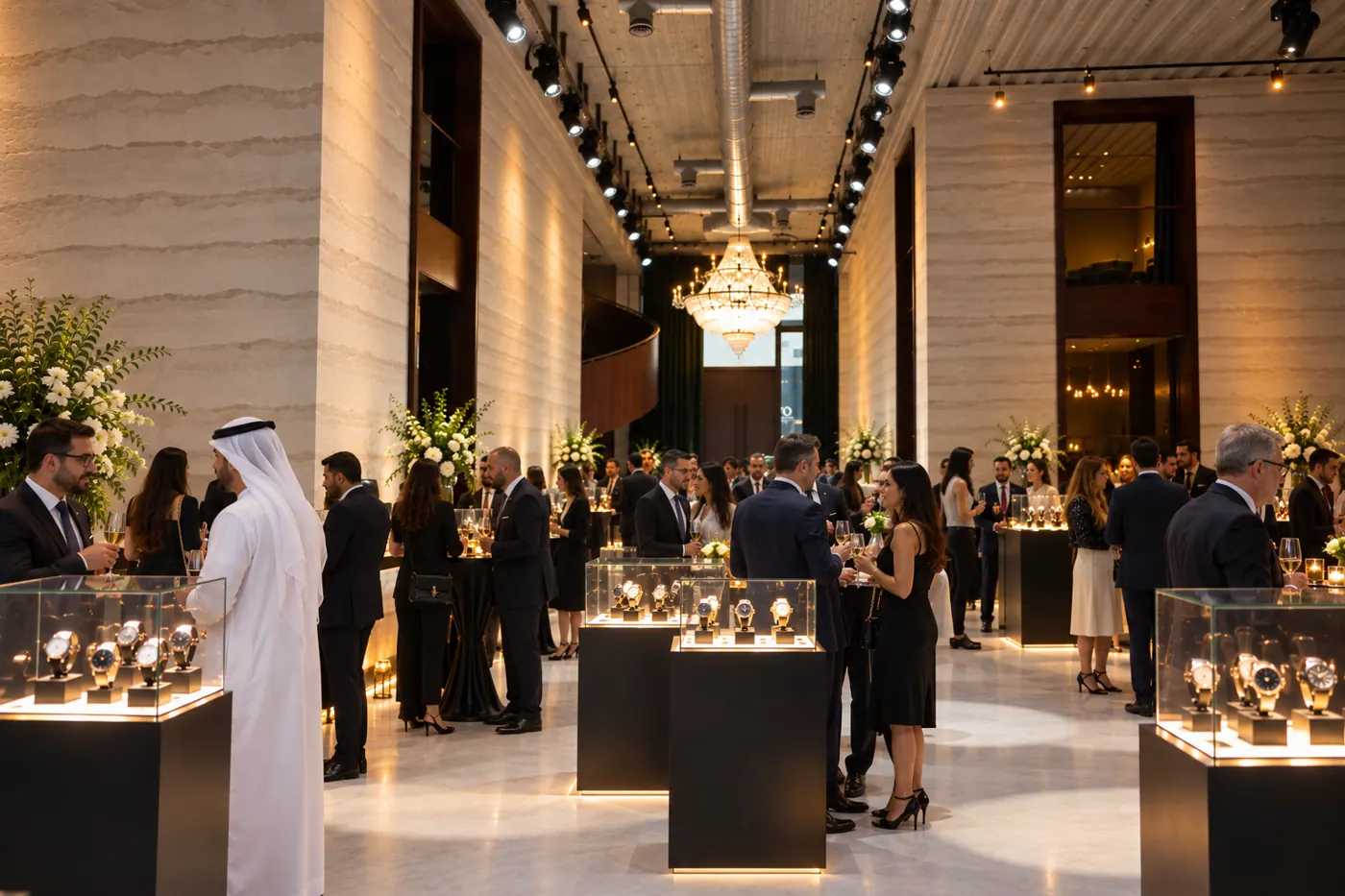
When a collector asks a question that needs a later answer, their own wording is a useful starting point for the follow-up record. Someone comparing case sizes may want dimensions; another guest may want a second appointment with a particular reference. The person replying needs that distinction. Agree on the expected reply date while the collector is still with the specialist.
Requests for product information and permission for future communications need separate treatment within the brand’s privacy process for the records it keeps. Your team can record the guest’s specific request and assign it to the person who can answer. The next conversation then starts with the watch they tried and the question they actually asked.
If you’re considering Someone’s House for a private watch preview, the booking page is where to share your preferred date and proposed appointment format. Include the expected guest count so the team can discuss the arrangement with you. Once the available period is confirmed, you can plan the collection’s arrival and the guest appointments within those hours.