Blog


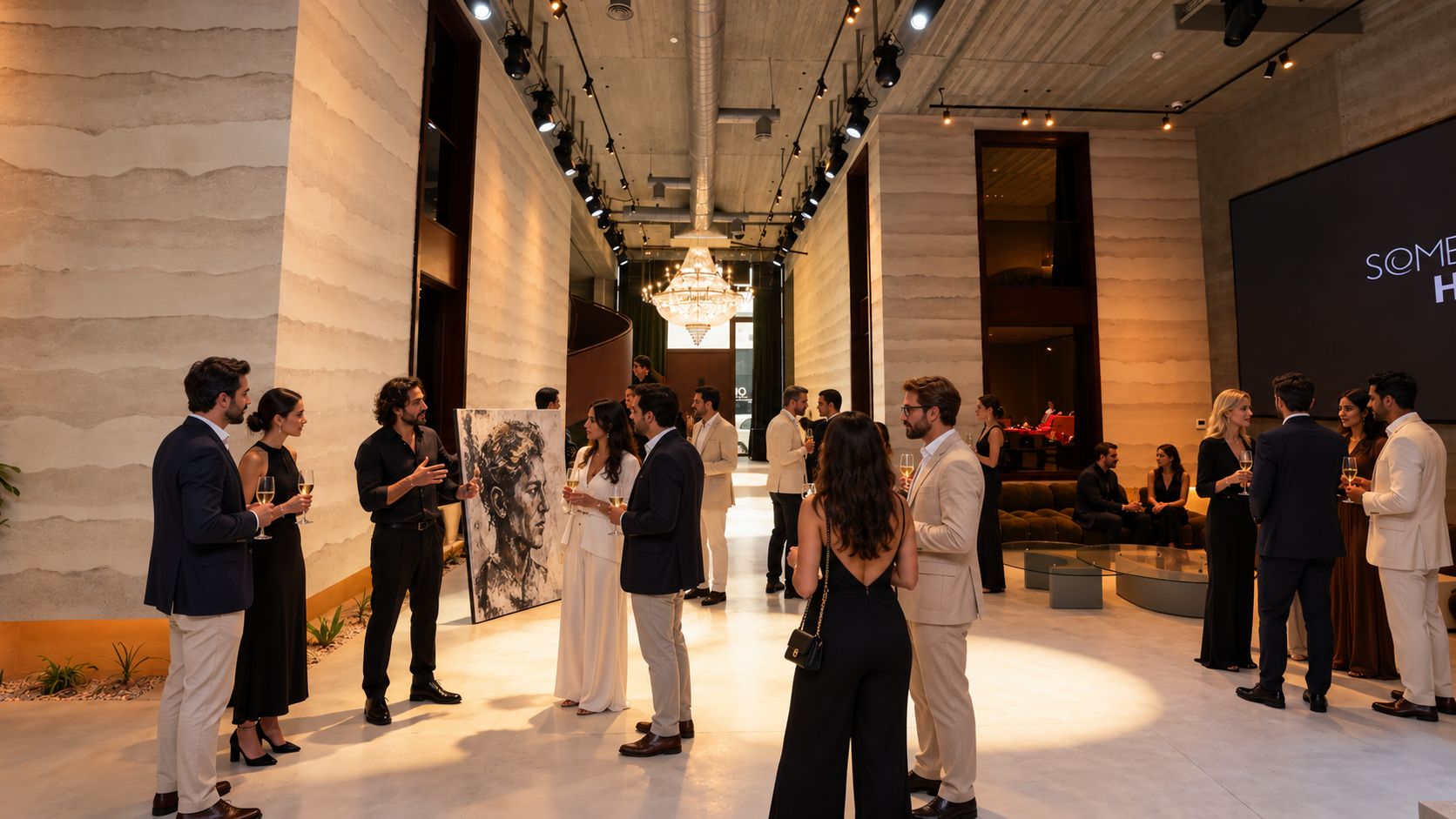
Plan an art collector dinner in Dubai with artist conversations and artwork arrangements at Someone’s House, a private venue in Al Quoz for invited guests.
Your art collector dinner in Dubai needs a subject that guests can return to over a meal, whether that means a painter’s recent work or a collection’s connection to a particular place. For an invited gathering built around that conversation, Someone’s House offers a private address in Al Quoz. Start with the art you want people to discuss, then decide how the evening will let them spend time with it.
If your dinner follows an exhibition visit, settle the discussion’s subject with the artist while preparing an invitation that explains the connection between the viewing and the meal. Perhaps guests will discuss a painting they have just seen, with enough time to ask how its materials affected the artist’s decisions. For a collector sharing personal acquisitions, the invitation can identify the works whose relationship they want to discuss.
Dubai’s collector community already participates in conversations outside the fair calendar, with Art Dubai’s Art Salon offering its invited members exhibition tours and private studio visits. For your dinner, choose a subject narrow enough for guests to discuss through actual artworks. Questions concerning an artist’s use of family photographs will yield different material than a conversation about how a collector selects new work.
The artist or curator helping you prepare the evening needs to know how familiar the invited collectors are with the work and its context. For guests encountering an artist’s practice for the first time, a short approved text introduces the exhibition they will discuss over dinner. Include the artwork titles beside their images so a guest can refer to a particular piece when asking a question at the table.
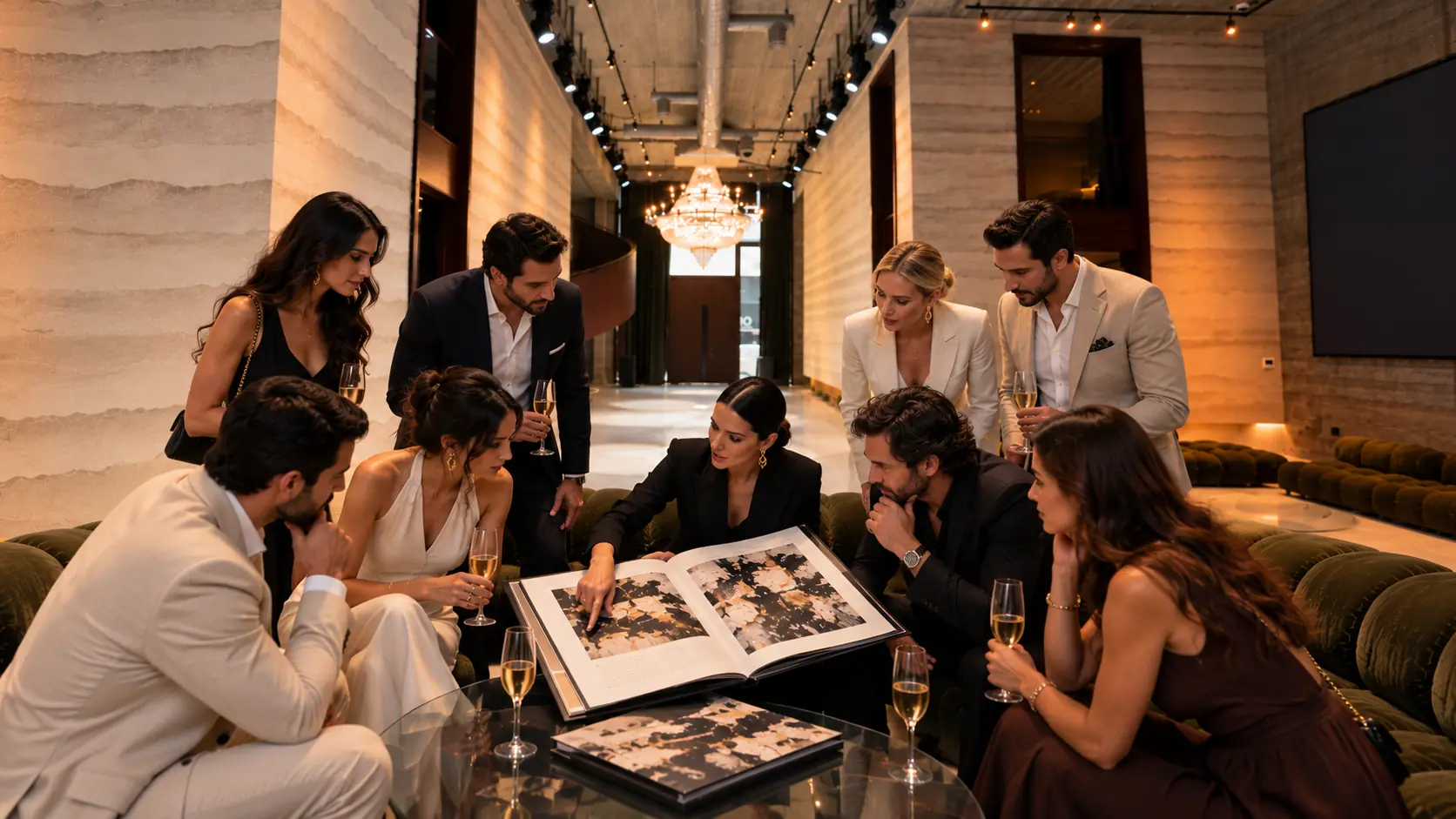
Artists contributing to your dinner deserve an agreement that covers the requested preparation and the time they will spend in conversation with your guests. Confirm any fee directly with the artist or their gallery, particularly when participation involves travel. For a curator moderating the discussion, an advance conversation with the artist is worth scheduling: they can agree which works to discuss and how personal the questions will become.
Collectors attending their first artist dinner may have questions concerning a painting’s materials that someone familiar with the work has already discussed in a studio visit. Leave space for both kinds of contribution when preparing the moderator’s brief. Once guests have confirmed their attendance, their replies to a short question about the work will help the moderator gauge how much background the conversation requires. Personal collecting details belongs in that brief only with the guest’s permission.
Original works require a different event plan from a dinner supported by approved images, so decide what guests will actually view while the program is still taking shape. If a gallery visit will precede dinner, confirm access with the gallery and allow travel time within the invitation. Someone’s House’s art exhibition planning article discusses display preparation for hosts considering an exhibition alongside their gathering.
The lender needs to approve the proposed location and display conditions for the borrowed work, with transport arrangements to be settled with an art-handling specialist. Before accepting a loan, agree on the repayment arrangements and the required insurance coverage with the relevant specialists. Include the artwork’s unpacked dimensions in the venue brief, along with the proposed installation method. Once the work has returned, retain the lender’s receipt with the event’s loan records.
Paintings need a documented condition check when they travel for display, and the Canadian Conservation Institute’s condition-report guidance explains how written observations and photographs record their physical state. For a dinner loan, agree with the lender on the examination procedure at arrival and departure, then allow sufficient time for the appointed handler to complete it within the venue’s access period.
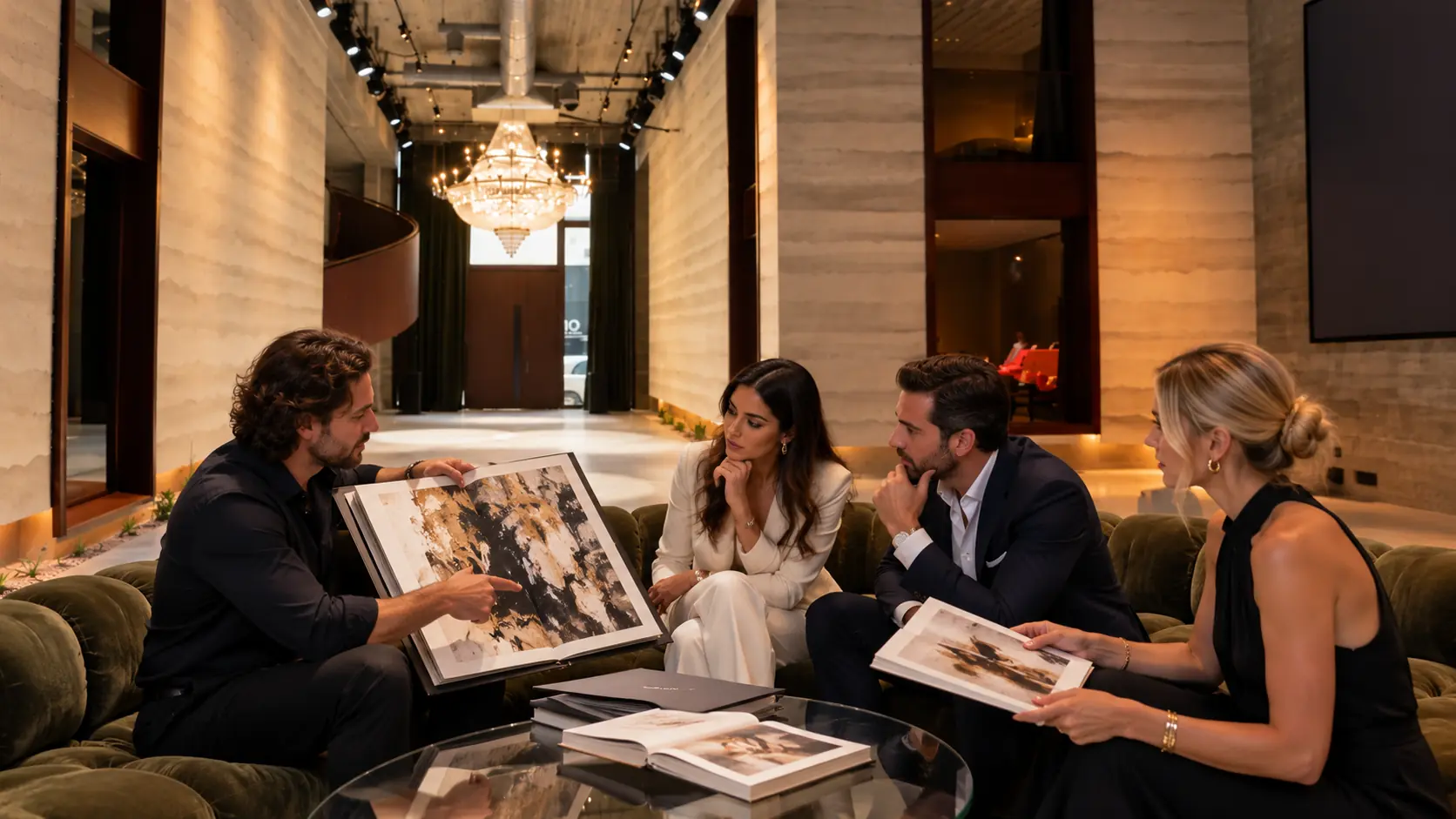
Photographs approved by the artist can support a dinner conversation when the evening concerns works held elsewhere or a project still in development. If images appear on a screen, test their legibility from the proposed seats with the venue team using the actual files. Permission for reproduction needs to cover the intended format, whether guests will consult a printed sheet or view the images together during the discussion.
The proposed table arrangement needs a trial with the host and moderator, especially when the artist will speak to guests seated along its full length. Try the farthest seat while another person explains an artwork in their ordinary speaking voice. If a listener needs to lean around flowers to see the speaker, revise the table decoration during that trial. Any image used in the discussion needs a legibility check from the same position.
Collectors who know the artist well can contribute useful context, provided the seating leaves newer guests a comfortable route into the discussion. When the moderator can hear guests at both ends, they can notice a guest waiting to ask a question. Introductions requested in advance deserve attention in the seating plan, especially if two collectors want to compare their responses to the same work during dinner.
Paintings require distance from food and beverages, as the Canadian Conservation Institute’s guidance on protecting surfaces from pollutants explains. Plan a viewing area separate from the meal, with the lender’s approval for its position. Once that location is agreed upon, walk the proposed route for carrying dishes with the hospitality team, and designate a place for guests to leave glasses before viewing.
The lender’s conservation contact needs to review proposed illumination against the artwork’s materials, since light sensitivity varies between paintings and other objects. Follow the lender’s written display limits when discussing the proposed location with the venue. If a work requires a particular environment, specialist confirmation that the venue can meet those conditions should be included in the loan decision. Dinner-table decorations can then be assessed against the approved artwork plan.
Your schedule needs a protected period for the artist’s explanation, with plates cleared while guests listen and look at the chosen work. Agree on the interval with the hospitality team during menu review. After the discussion, guests need enough time to continue their conversations at the table. If a second viewing is planned, tell guests when it will take place and keep the display available during its approved hours.
Menu decisions should consider the conversation’s timing, particularly when a dish requires preparation at the table or a lengthy explanation from the chef. For an artist discussing delicate visual details, a pause between courses offers a chance to examine the image while plates remain clear. Discuss that interval during the hospitality review, together with the menu adjustments requested by guests. Any external food supplier needs agreement within the venue’s event proposal.
Your moderator’s preparation works best when it includes questions about specific artistic decisions, with space for the artist to explain their answers at their own pace. If a collector points to a detail in the work, invite the artist to describe how it developed during production. Follow that answer when it raises another useful question; the prepared notes can wait until the conversation returns to them. Price inquiries belong in a separate exchange with the responsible gallery contact.
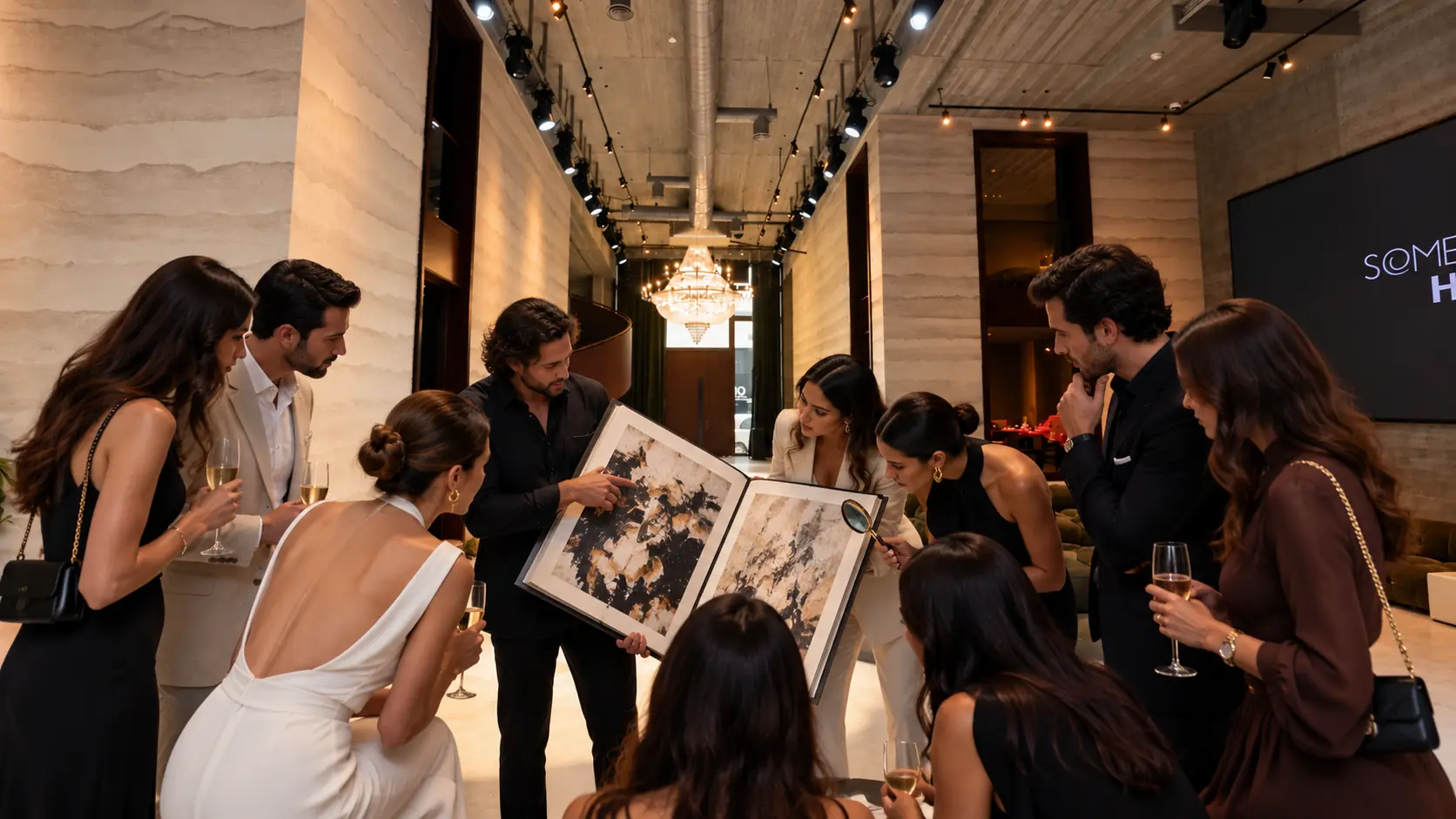
Photography permissions need to cover the artworks and the people attending, particularly when a lender has agreed to a private display for a limited audience. For the photographer’s brief, identify the pieces cleared for reproduction and supply their credit lines with the approved publication channels. If a guest agrees to a portrait for the host’s private album, confirm their preference for any proposed social post that uses the same photograph.
The organizer needs an accurate event description when checking approvals, especially if your collector dinner includes works offered for sale or a formal exhibition. Consult Dubai DET’s event-permit guidance alongside its separate private-activity notification page. Its private-activity description concerns events generating zero financial gain for organizers. Confirm the applicable route with the responsible organizer and venue using the actual program.
The follow-up to an art collector dinner feels useful when it answers a question raised at the table or provides material a guest asked for. Send the approved exhibition text to someone who requested further reading. If a guest wants another viewing, ask the gallery contact to arrange it through the agreed channel. Keep any acquisition discussion with the party authorized to handle the work’s sale.
Someone’s House provides a private event setting on Al Khayat Avenue in Al Quoz, where your proposed dinner requires a layout agreed upon by the invited group. Send the intended date and guest count through the House booking page. Explain which works guests will discuss and how you propose to present them. If originals will travel to the venue, include the lender’s display requirements for the team’s assessment.